
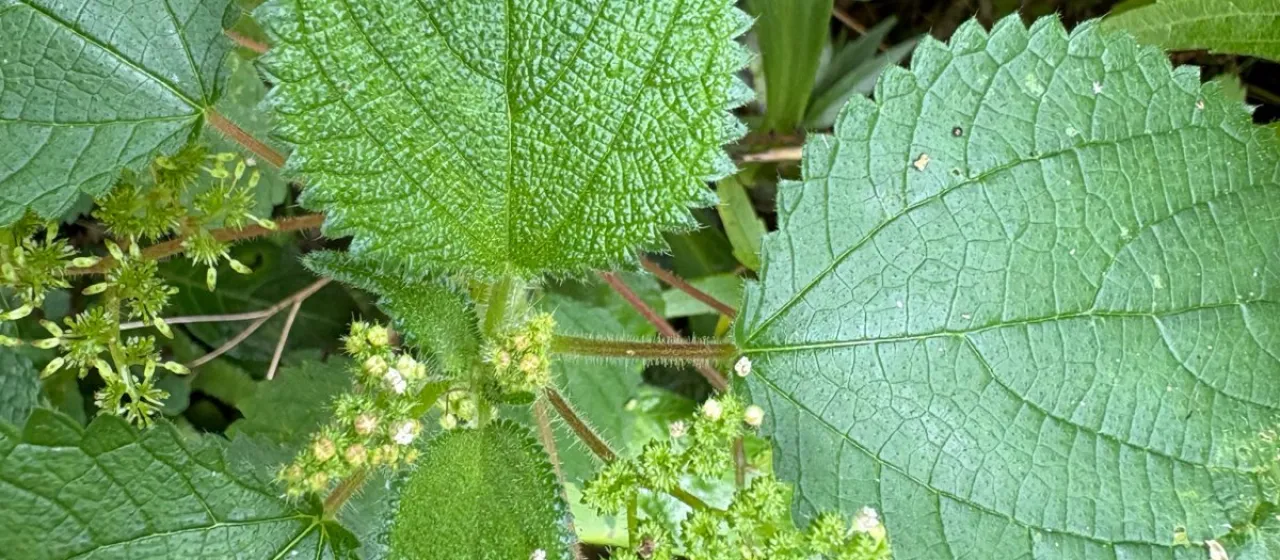
Description
West Indian woodnettle (Laportea aestuans) is an annual herbaceous plant belonging to the Urticaceae family. While frequently categorized as a weed in diverse ecosystems, it maintains historical significance in several tropical agricultural systems as a minor nutritional source and a traditional therapeutic agent.
Native to tropical regions of Africa and the Americas, the species has naturalized throughout tropical climates globally. The plant thrives in disturbed environments, typically colonizing cultivated lands, forest edges, and riparian zones. Its high adaptability allows it to persist in various soil types, provided that adequate soil moisture and partial shade are present.
Botanically, the species is characterized by its stinging trichomes distributed across the stems and leaf surfaces, which act as a mechanical defense mechanism against herbivores. The plant reaches heights of 30 to 100 cm, producing simple, alternate, ovate leaves with serrated margins. Its reproductive cycle is characterized by the production of numerous small seeds, facilitating rapid colonization of new areas.
Cultivation requirements necessitate high humidity and consistent warm temperatures, typically mirroring the tropical climate conditions of its origin. The soil should be fertile, well-draining, and rich in organic matter to support the rapid development of the plant. Field management involves moisture monitoring and weed suppression during the early establishment phases to ensure optimal vegetative growth.
The economic and practical utility of Laportea aestuans encompasses several areas:
- Traditional medicine applications using extracts from leaves and roots.
- Limited use as a dietary component in indigenous cuisines after thermal processing.
- Potential research in phytochemical properties for industrial or agricultural biostimulants.
Common pests affecting this crop include sap-sucking insects like aphids and mites, which can impede leaf development. Pathological threats primarily stem from fungal pathogens such as Pythium or Fusarium species, often triggered by excessive soil moisture. Maintaining optimal plant density and soil aeration is essential for mitigating disease outbreaks in production settings.