
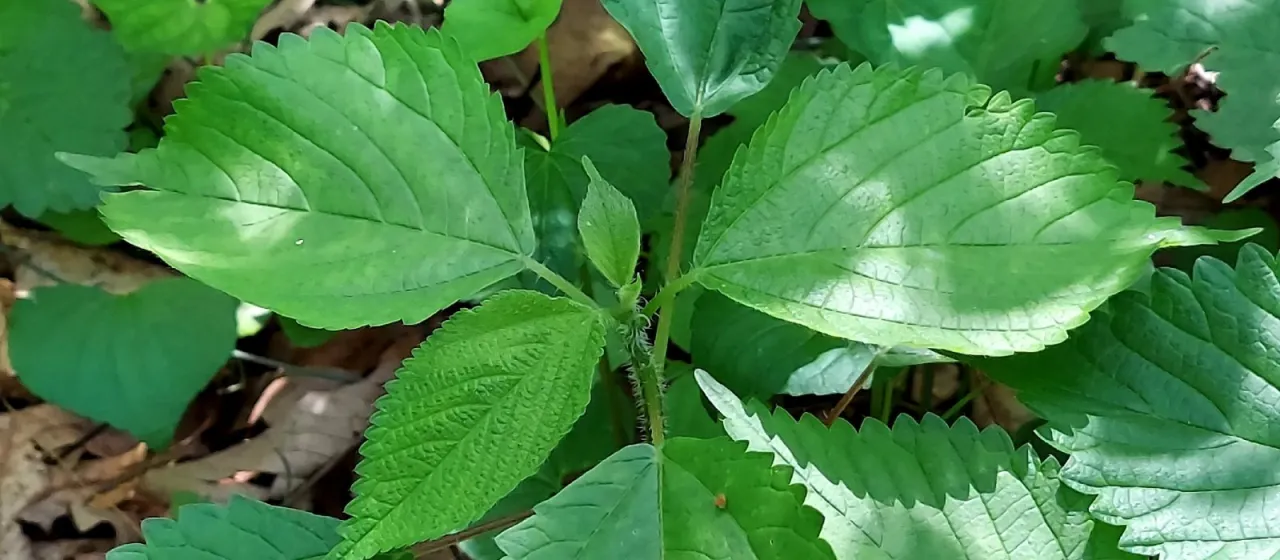
Description
Canadian wood nettle (Laportea canadensis) is a herbaceous perennial plant within the Urticaceae family. Widely recognized in North American botany, this species has been traditionally used as both a food source and a medicinal herb. Unlike its stinging cousins, it offers a more palatable profile for consumption when properly prepared, making it an interesting subject for small-scale specialty crop farming.
The plant originates from the eastern regions of North America. Its natural range extends from the Atlantic coast to the Great Plains, where it thrives in moist, deciduous forests, floodplain zones, and riparian environments. As an agricultural crop, it is best suited for climates that provide consistent moisture and moderate temperatures, avoiding extreme heat and arid conditions.
Botanically, Laportea canadensis grows up to 1 meter in height, characterized by its alternate, egg-shaped leaves and slightly stinging hairs. It features separate male and female flowers on the same plant, forming delicate inflorescences. The root system is stoloniferous, allowing the plant to spread effectively, which can be an advantage for harvesting but requires management to prevent unwanted expansion.
Cultivation requirements necessitate rich, well-draining soil with a high organic content. Shading is the most critical factor for success; the plant displays symptoms of stress, such as yellowing leaves or stunted growth, if exposed to direct sunlight for extended periods. Irrigation should be maintained to keep the soil consistently moist but not waterlogged, mimicking the forest floor environment.
Regarding its utility, the wood nettle is valued for its nutrient density, particularly vitamins and minerals found in the foliage. It is commonly harvested in the spring when the shoots are tender. Common pests, such as aphids, can occasionally infest the crop, but it is generally resistant to many typical agricultural diseases. Maintenance involves selective weeding and thinning to ensure adequate air circulation and prevent fungal outbreaks.
- Prefers shaded locations and high soil organic matter.
- Excellent source of nutrition when cooked.
- Requires consistent moisture throughout the growing season.
- Easily managed through controlled vegetative propagation.