
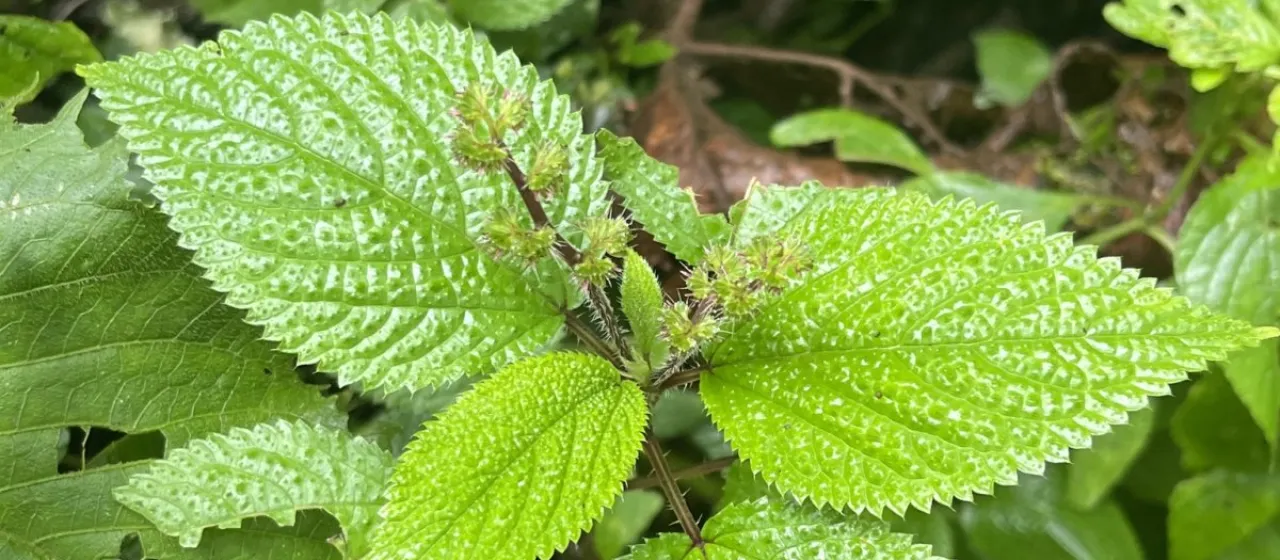
Description
Laportea alatipes is a perennial herbaceous plant belonging to the Urticaceae family. Recognized for its rapid growth and unique physiological traits, this crop is of growing interest in tropical agriculture and pharmacological research due to its complex chemical profile and structural properties.
Originating from the tropical regions of Africa, this plant naturally thrives in humid forest environments and riparian zones. Its cultivation is primarily concentrated in regions with stable, high-moisture tropical climates where it can fully leverage its biological potential for high-yield green mass production.
The plant exhibits distinct botanical features, including characteristic stinging hairs found on the stems and leaves, typical for the family. The specific epithet alatipes refers to the winged petioles of its leaves, which aid in gas exchange and structural integrity. Mature specimens can reach substantial heights, forming dense clusters that occupy the mid-canopy layer.
Cultivation requirements necessitate nutrient-rich, well-draining loamy soils with a balanced pH level. As a moisture-loving species, consistent irrigation is paramount, as water stress leads to premature maturation and a significant decline in fiber quality. The use of mulch is highly recommended to retain soil moisture and regulate ground temperature.
Economically, Laportea alatipes is utilized for its fibrous properties and phytochemical potential. The stalks contain durable fibers suitable for specialized textile applications, while the leaves are studied for their anti-inflammatory and antioxidant compounds. Management of common pests, such as aphids and mites, is essential to maintain the structural integrity of the crop.
- Requirement for high humidity levels (70% or higher) for optimal growth.
- Sensitivity to direct, prolonged UV exposure which can scorch the foliage.
- Need for nitrogen-rich fertilization to maximize biomass production.
- Susceptibility to fungal root rot in cases of poor drainage or soil compaction.