
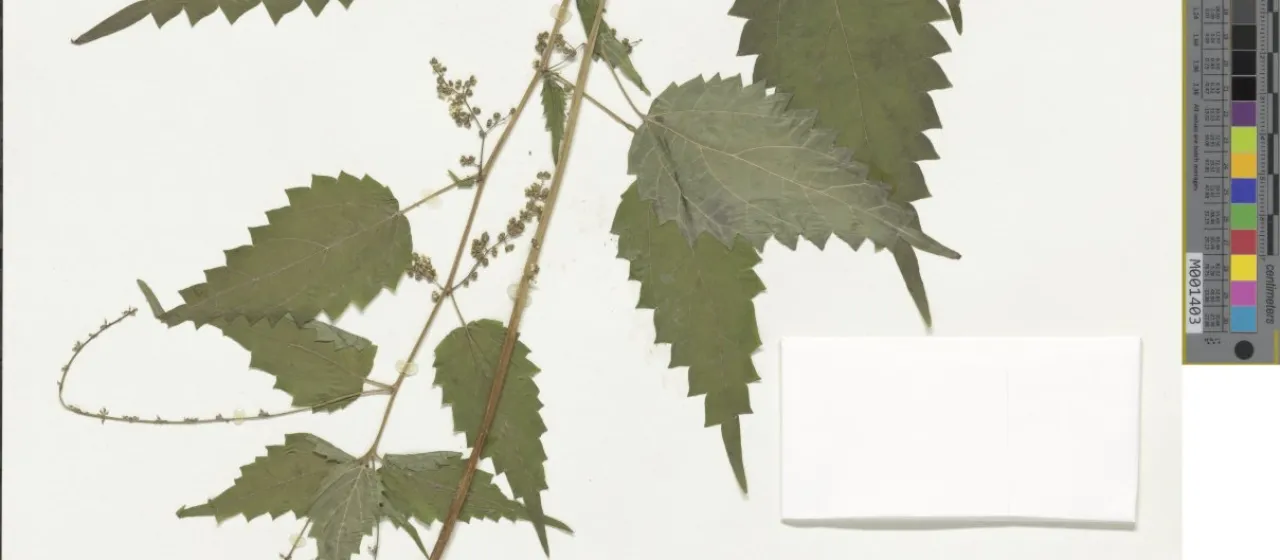
Description
Laportea cuspidata is a herbaceous perennial plant belonging to the Urticaceae (nettle) family. Similar to its closer relatives, the plant is characterized by the presence of stinging hairs distributed across its stems and foliage, which function as an effective defense mechanism against herbivores and environmental stressors.
The native distribution of this species is primarily focused on East Asia, including parts of China and Japan. It typically inhabits moist forest understories, sheltered hillsides, and riverbanks where the soil is rich in organic matter and the microclimate remains consistently humid and temperate.
Botanically, the plant is recognized by its erect stems and lanceolate leaves featuring sharp, serrated margins. Its reproductive cycle involves the production of small, inconspicuous flowers, followed by abundant seed set, which allows for rapid colonization of favorable niches within its geographic range.
Regarding agrotechnical requirements, Laportea cuspidata thrives in shaded or semi-shaded environments with consistently moist, well-draining soil. It is sensitive to prolonged drought and intense direct sunlight, which can cause leaf scorch. Fertilization programs should focus on nitrogen-rich substrates to encourage vegetative development.
In terms of economic and agricultural utility, the plant is studied for its chemical compounds, which have potential applications in pharmacology. While its stinging hairs pose a challenge for handling, traditional practices in some regions include using the young leaves for culinary purposes after thorough boiling, which successfully deactivates the stinging mechanism.
- Thrives in high-humidity, low-light conditions.
- Resistant to most common agricultural pests.
- Requires minimal intervention once established in suitable soil.
- Potential for industrial fiber extraction.