
Description
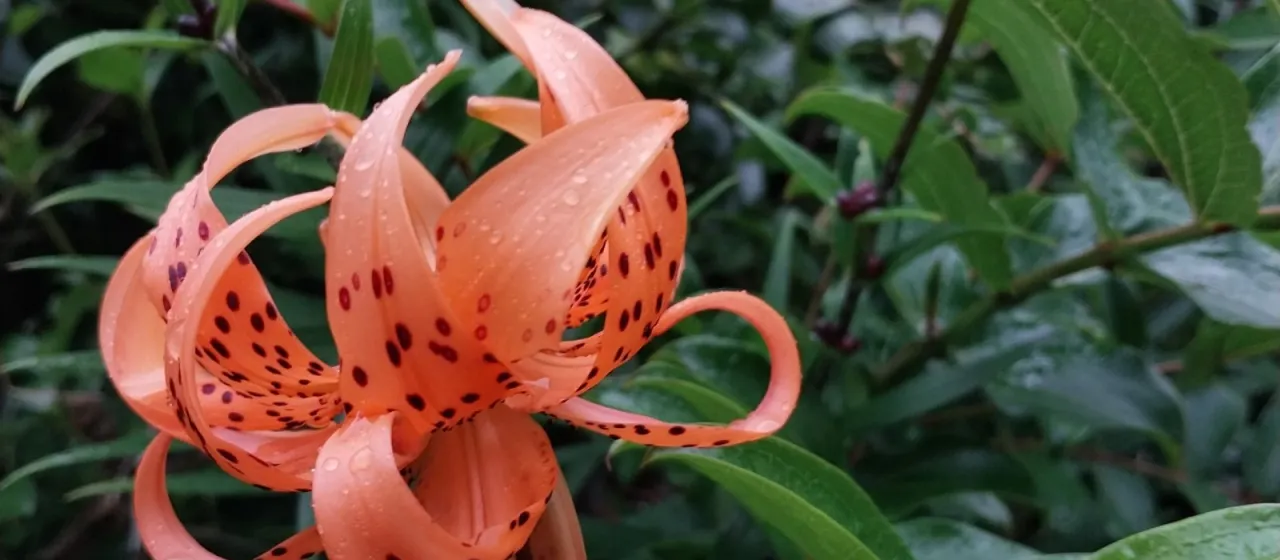
The Tiger lily (Lilium lancifolium Thunb.) is a robust perennial herb belonging to the Liliaceae family. It is widely recognized for its vibrant, reflexed, orange-to-red petals adorned with distinct dark purple or black spots, which provide the plant its common, descriptive name.
Originating from East Asia, including China, Japan, and Korea, this species has been integrated into horticultural practices worldwide. It serves as a staple in ornamental agriculture, favored for its hardiness and ability to thrive in diverse garden settings, ranging from traditional perennial borders to large-scale botanical displays.
The botanical structure is defined by a stout stem that can reach heights of up to 1.5 meters. The leaves are alternate and lance-shaped. A key distinguishing biological feature is the production of bulbils, small aerial bulblets formed in the leaf axils, which facilitate efficient natural and artificial propagation of the species.
Regarding agrotechnical requirements, the crop demands well-draining, nutrient-rich soil with a neutral to slightly acidic pH level. While tolerant of various soil types, it performs best in locations that offer good air circulation. Adequate moisture management is crucial, particularly during the active growing season, although the bulbs are prone to rot if subjected to waterlogged conditions.
The plant is susceptible to several common lily pests and pathogens, most notably the lily leaf beetle and Botrytis blight. Furthermore, it is known to be a carrier of certain lily viruses, which, while often asymptomatic in this specific species, can pose a risk to other more sensitive lilies in the vicinity. Proper monitoring and integrated pest management are essential for maintaining a healthy plantation.