
Description
The spotted lily (Latin: Lilium maculatum) is a perennial bulbous plant belonging to the Liliaceae family. It is a highly valued ornamental crop, recognized for its striking floral patterns and relatively compact growth habit. In agricultural and horticultural contexts, this species is noted for its early summer flowering, making it a staple in various garden designs.
Originating from East Asia, specifically Japan, this species has been naturalized in many regions across the globe. Its cultivation requirements are tied to its native habitat, which typically includes well-drained slopes and open forest edges. Modern cultivation now spans diverse climatic zones, provided the specific soil and moisture conditions are met.
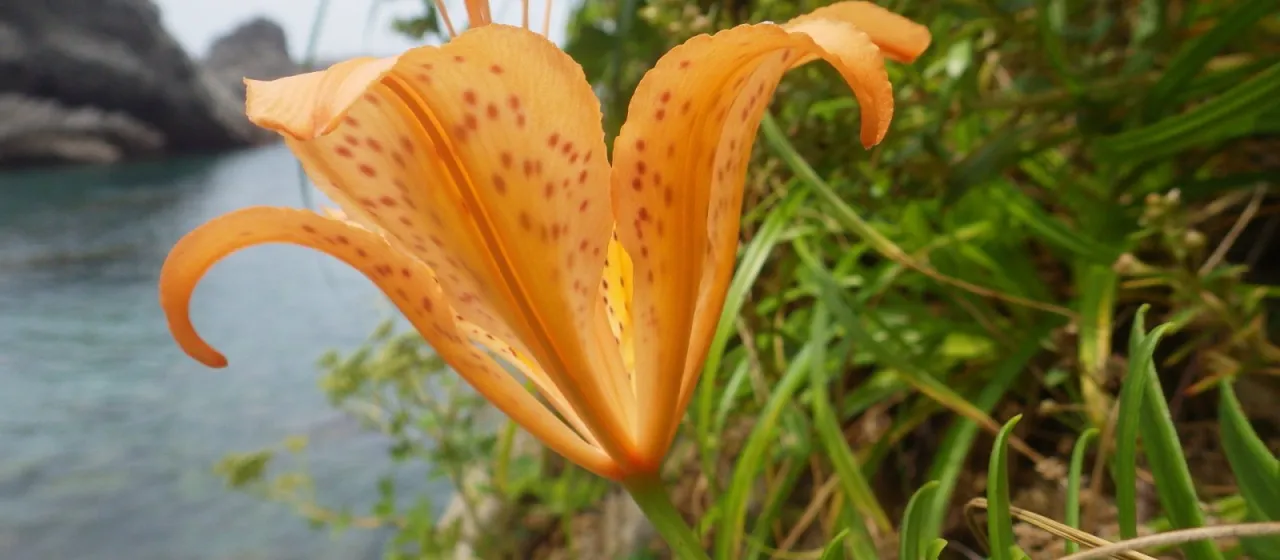
Botanically, the plant features a sturdy stem ranging from 40 to 80 centimeters in height, adorned with lanceolate leaves. The flowers are distinctive for their vivid orange-red base color, accented by dark, prominent spots, which is a key identifying trait of the species. The bulbs are perennial and serve as the main organ for vegetative propagation in commercial cultivation.
Regarding agronomic requirements, the spotted lily thrives in fertile, loamy soils with a slightly acidic to neutral pH. Proper soil aeration is critical; heavy clay soils often require the addition of sand or organic matter to improve drainage and prevent bulb rot. Sun exposure is generally preferred, though light afternoon shade can help extend the life of the blossoms in hotter regions.
Common health issues for this crop include fungal infections like Botrytis and various root rots, which are often exacerbated by poor drainage. Key pests include the lily beetle, which can defoliate plants rapidly if not managed. A successful management program involves crop rotation, regular inspection, and the timely application of fungicides and targeted insecticides.