
Description
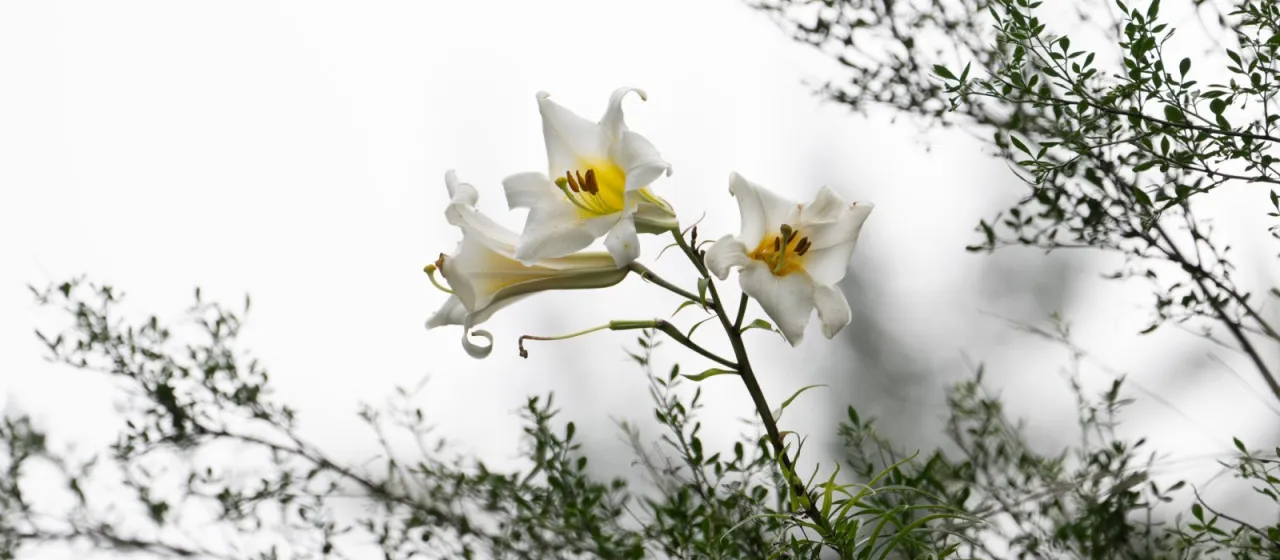
The Regal lily (Lilium regale) is a perennial bulbous plant belonging to the Liliaceae family. It is widely recognized for its elegant trumpet-shaped flowers and intense, sweet fragrance, making it a centerpiece in many ornamental gardens across the world.
Originating from the mountainous regions of Sichuan, China, this species was introduced to Western cultivation by the plant explorer Ernest Wilson. Its native mountain habitat has endowed the plant with a robust nature and remarkable resilience, allowing it to adapt to various climatic conditions outside its original range.
Botanically, Lilium regale features a tall, sturdy stem covered with narrow, dark green foliage. The flowers are distinctive, characterized by a pure white throat and a striking purple-pink exterior, which bloom in mid-summer. The bulb is large and scaly, serving as a vital energy storage organ for the plant's rapid growth cycle.
Successful cultivation requires well-drained, fertile soil with a neutral to slightly alkaline pH. The plant thrives in full sun but appreciates some light shade during the hottest parts of the day. Consistent moisture is essential during the active growing season, though the soil must never become waterlogged to prevent bulb rot.
- Ensure deep planting to protect the bulb from frost.
- Provide balanced fertilizers during the early spring stage.
- Mulch around the base to keep root zones cool.
- Remove spent flower heads to direct energy into the bulb.
The primary use of the Regal lily is ornamental, as it is a highly valued specimen in perennial borders and cut flower production. Common phytosanitary challenges include botrytis blight and lily mosaic virus. Practicing good hygiene, including regular inspections and proper spacing to ensure air circulation, is critical to maintaining a healthy crop.