
Description
Lilium x dalhansonii is a notable interspecific hybrid within the Liliaceae family. Classified as a Martagon hybrid, it is the result of a cross between Lilium martagon and Lilium hansonii. This cultural plant is highly regarded by gardeners and botanists alike for its robustness, structural elegance, and reliable blooming patterns, making it a classic choice for temperate zone gardens.
The origin of this hybrid dates back to the work of C. B. Powell. Historically, the plant was bred to combine the resilience and shade tolerance of the Martagon parent with the unique coloration and structural traits of the hansonii species. Its range of cultivation spans across Northern Europe and North America, where its cold-hardiness is a significant agricultural and horticultural advantage.
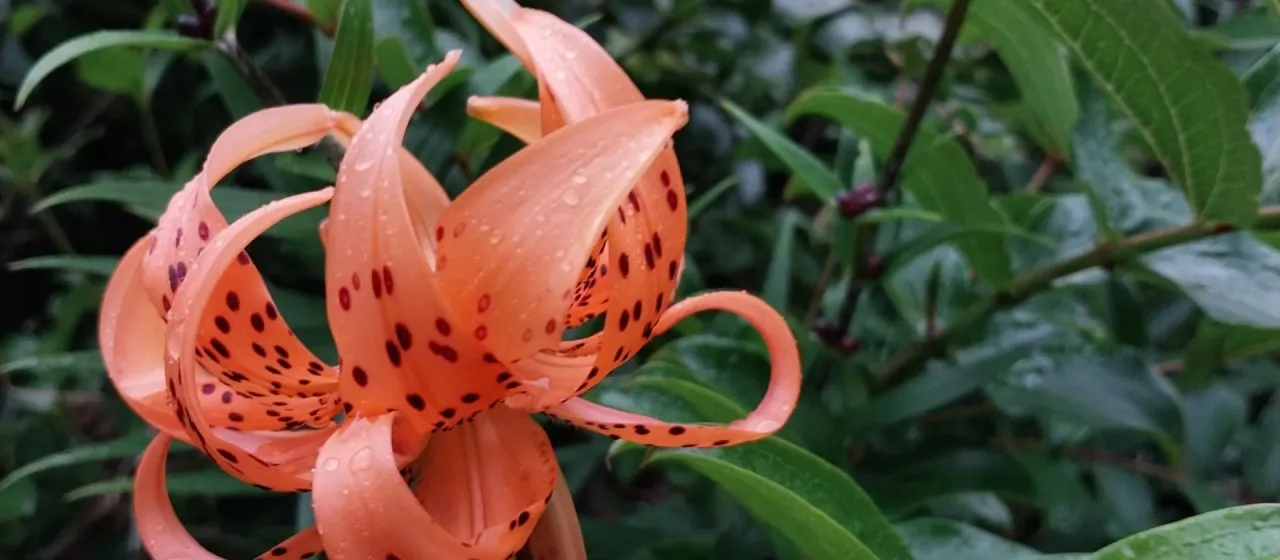
Botanically, Lilium x dalhansonii is distinguished by its tall, sturdy stalks and whorled leaves, a hallmark of the Martagon group. The flowers are typically turkscap-shaped, displaying deep, dark hues of purple, maroon, or brownish-orange, often adorned with prominent darker spots. The waxy texture of the petals contributes to the long-lasting appearance of the blooms during the mid-summer season.
In terms of agronomy, the plant thrives in well-drained, fertile soil with a neutral to slightly acidic pH level. Unlike many other lily cultivars that require full sun, Lilium x dalhansonii performs best in partial shade or dappled sunlight. Consistent soil moisture is necessary during the growth phase, but it is critical to ensure proper drainage to prevent the bulb from rotting during the winter months.
- Planting is recommended in early autumn to allow root establishment.
- Bulbs should be planted at a depth of 15 to 20 centimeters.
- The plant is known for its dislike of frequent relocation and prefers long-term stability.
- Application of well-rotted organic compost supports healthy annual growth.
Horticulturally, this lily is primarily utilized in ornamental gardening, particularly in woodland settings or shade borders where it adds vertical interest and depth. Common challenges in its cultivation include infestations of lily beetles and aphids, as well as fungal issues such as Botrytis blight, which are best managed through good air circulation and appropriate site selection.