
Description
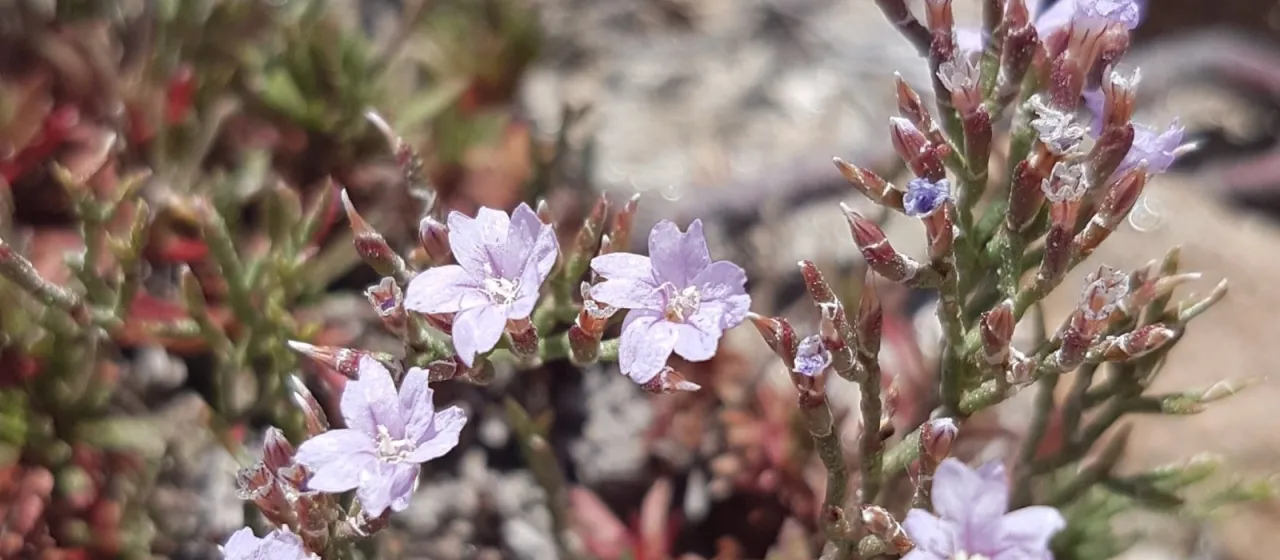
Sharp-leaved statice (Limonium acutifolium) is a perennial herbaceous plant belonging to the Plumbaginaceae family. Known for its distinct foliage and resilient nature, this species is highly regarded in horticultural circles for its ability to thrive in challenging environments where traditional ornamental plants may struggle to survive.
The plant originates from the arid and semi-arid regions of Central Asia. Its natural habitat is defined by sandy, saline soils and extreme temperature fluctuations. These evolutionary adaptations make Limonium acutifolium a highly reliable candidate for xeriscaping and reclamation of degraded, saline agricultural lands in similar climatic zones.
Botanically, the species is characterized by a basal rosette of sharp, lanceolate leaves that assist in water retention. The plant produces branched panicles of numerous small, vibrant flowers. These inflorescences are structurally stable, retaining their color and shape long after flowering, which is a key trait that differentiates this species from other members of the genus.
Successful cultivation requires full sun exposure and soil that offers excellent drainage. It is a drought-tolerant crop that requires minimal irrigation once established. Over-watering and poorly drained soils are the primary causes of disease, particularly fungal root rot, which is the most significant threat to the plant's longevity and health.
The main applications for this crop include:
- landscape architecture, particularly for dry-soil rock gardens;
- the floral industry, as a high-quality dried flower material;
- reclamation and soil stabilization in arid regions;
- use in sustainable, low-maintenance urban gardening projects.