
Description
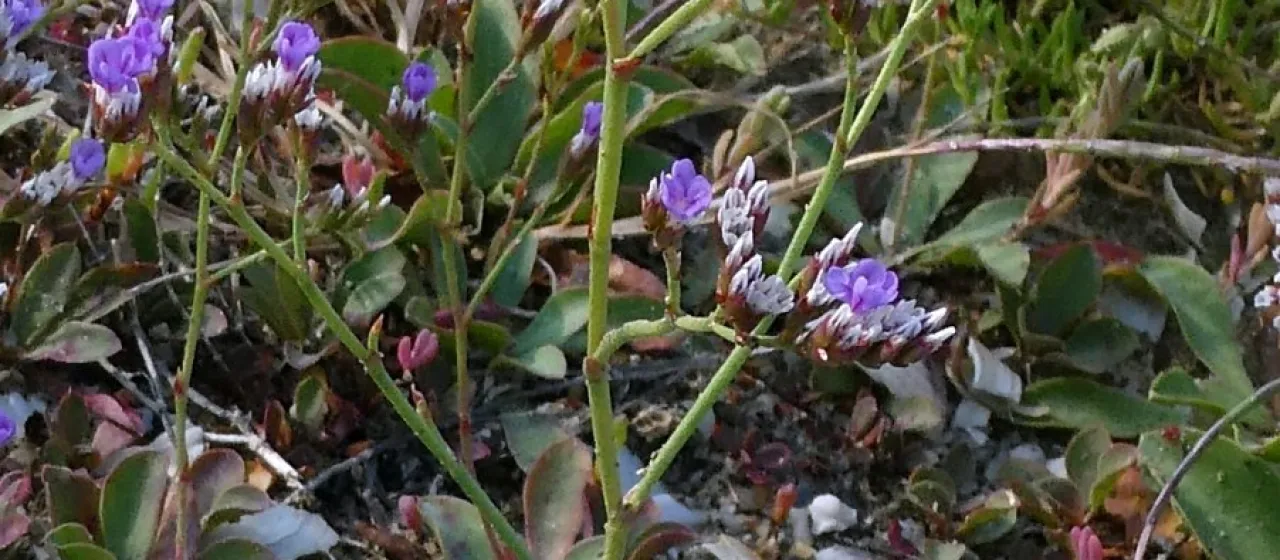
Rock sea-lavender (Limonium binervosum) is a hardy perennial herb belonging to the Plumbaginaceae family. It is a highly specialized plant, recognized in horticulture for its ability to thrive in challenging environments. The species is characterized by a basal rosette of tough, leathery leaves and branched flowering stems that produce small, dense, and long-lasting blossoms.
The plant originates from the coastal regions of Western Europe, particularly cliffs and saline environments. Its natural habitat is characterized by high salinity, exposure to strong coastal winds, and well-drained, nutrient-poor substrates. These evolutionary adaptations allow the plant to perform exceptionally well in garden settings that mimic such harsh conditions, such as rock gardens or xeriscaped borders.
Botanically, the plant is distinguished by its inflorescences consisting of spikes that bear flowers with distinctive two-veined bracts. These bracts persist after the flowers have faded, retaining their color and shape, which is a key trait for its success as an ornamental plant. The root system is robust and deep, allowing the plant to stabilize itself in rocky crevices and withstand periods of low water availability.
Regarding agronomic requirements, successful cultivation depends on providing full sun exposure and excellent drainage. The soil pH should ideally be neutral or slightly alkaline. Over-irrigation is the primary cause of failure, as the plant is highly susceptible to root rot if placed in waterlogged conditions. Regular maintenance involves removing spent stems to encourage potential secondary blooming during the growing season.
- Requires full solar exposure for optimal blooming.
- Thrives in poor, stony, or sandy soils with high drainage.
- Sensitive to excessive humidity and soil waterlogging.
- Resistant to salt spray and high coastal winds.
The primary horticultural use of this species is in decorative landscaping and the dried flower trade. It is highly valued for its texture and color retention when dried. Pests and diseases are generally minimal, although aphids can occasionally affect young foliage, and fungal pathogens like Botrytis may occur in damp, stagnant air. Maintaining good airflow around the plants is essential for ensuring long-term health.