
Description
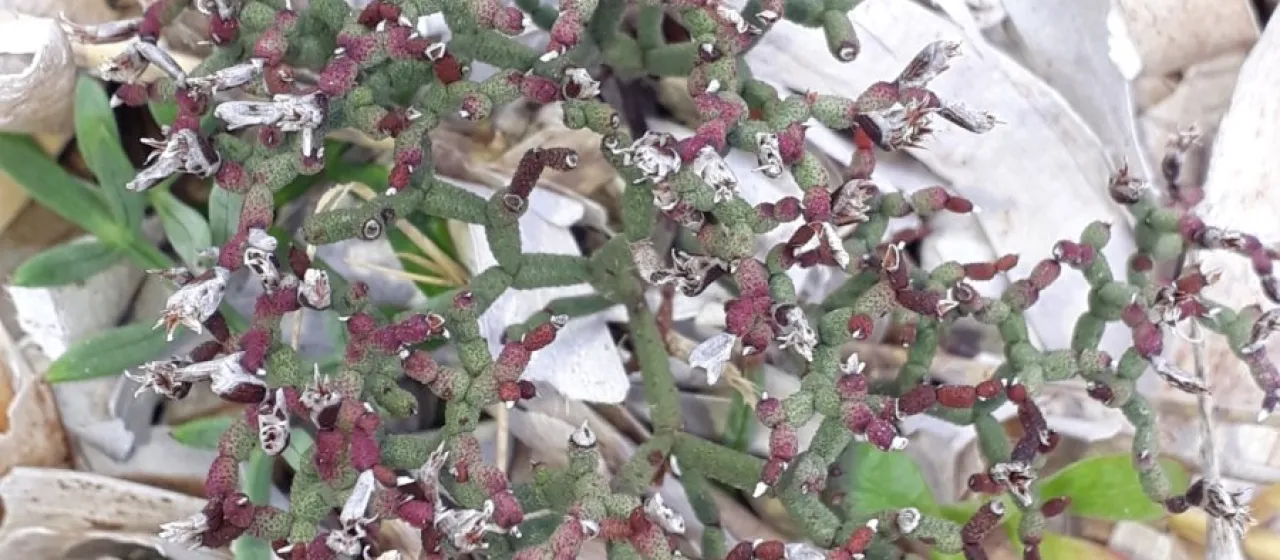
Jointed sea lavender (Latin: Limonium articulatum) is a perennial herbaceous plant belonging to the family Plumbaginaceae. The species is characterized by its distinctively jointed stem structure, which provides both architectural interest and structural stability. It is a highly valued crop in regions where water conservation and long-lasting floral materials are prioritized.
The plant originates from the Mediterranean basin, where it thrives in arid and semi-arid environments. Its native range includes coastal and rocky areas, where it has evolved to tolerate saline conditions and poor soil quality. This evolutionary background makes it an ideal candidate for cultivation in landscapes where conventional ornamental plants struggle to survive.
Botanically, Limonium articulatum forms a low-growing basal rosette of leaves from which sturdy, branched flower stalks emerge. The flowers are small, gathered into spikes, and exhibit a papery texture, which is a hallmark of the Limonium genus. This texture allows the flowers to maintain their structure and color vibrancy long after they have been harvested and dried.
Agricultural success with this crop requires adherence to these management practices:
- Planting in full sun to ensure maximum photosynthesis and structural integrity.
- Utilization of sandy or gravelly soils that provide excellent drainage.
- Avoiding excessive irrigation, as the plant is prone to root health issues in waterlogged conditions.
- Minimal fertilization, focusing on potassium to strengthen stalks and improve flowering quality.
The primary economic value of the jointed sea lavender lies in the floriculture industry. It is extensively harvested for the production of dried floral arrangements, where its durability and resistance to fading are highly prized. Additionally, it serves as a functional plant in sustainable landscaping, effectively preventing erosion on slopes and requiring little to no supplemental watering once established.
Regarding phytosanitary aspects, the crop is generally hardy. Common problems involve fungal infections such as root rot, which are almost exclusively associated with improper irrigation management or heavy, non-porous soil types. Insect pests are rarely a significant concern, although occasional monitoring for aphids during the spring growth flush is recommended to maintain the aesthetic quality of the flower spikes.