
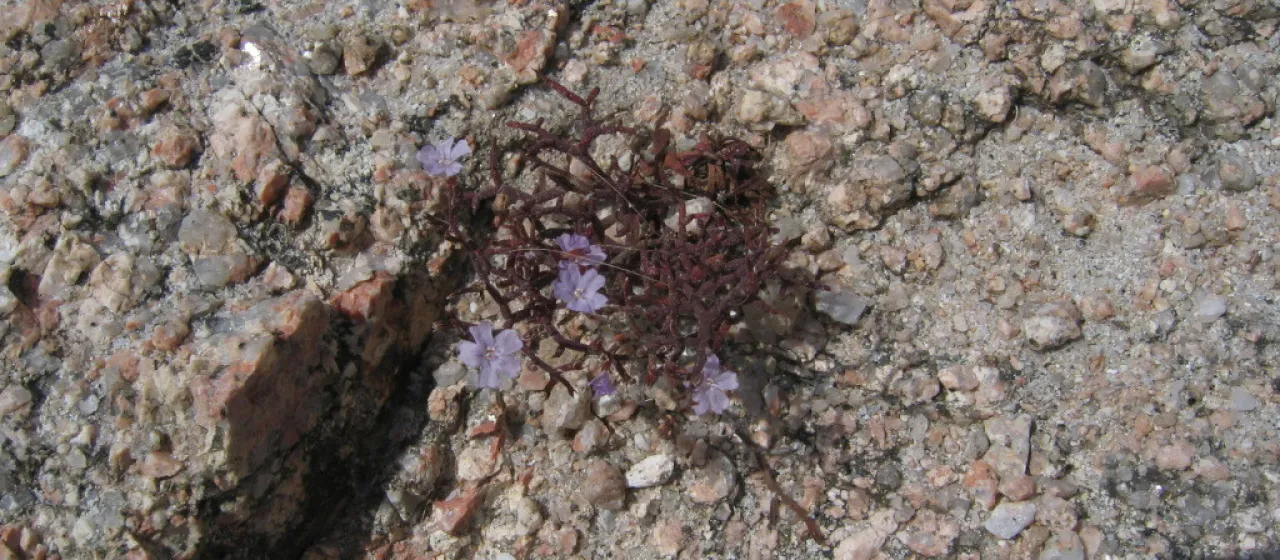
Description
Twisted-branch statice (Limonium contortirameum) is a perennial herbaceous plant belonging to the Plumbaginaceae family. In agricultural practices, it is recognized as a specialty crop, highly valued for its exceptional durability as a dried flower and its ability to thrive in harsh environments.
The plant originates from arid and semi-arid regions. Its natural habitat is typically characterized by saline soils and poor nutritional conditions, where it has evolved to dominate by developing specialized mechanisms to manage salt concentration and moisture retention.
Botanically, the species is defined by its uniquely twisted stems and a complex branching pattern of inflorescences. The flowers are small and papery, held in dense, persistent panicles. These structures are evolutionarily designed to withstand long periods of drought, maintaining their integrity even after the plant has ceased active growth.
Cultivation requires sandy, well-draining soils with minimal organic matter content. Limonium contortirameum is extremely heliophilic, requiring full sun exposure to maintain structural strength and color vibrancy. Agricultural management focuses on low-input techniques, as excessive fertilization and overwatering are detrimental to the plant's health and longevity.
Economic and practical applications include:
- Commercial production of everlasting flowers for floral arrangements.
- Xeriscaping and erosion control in arid or saline landscapes.
- Restoration projects in degraded or hypersaline soil environments.
Common plant health issues mainly involve fungal pathogens such as Fusarium or gray mold, which are almost exclusively triggered by poor drainage or excessive soil moisture. Pests such as aphids and spider mites can occasionally affect the foliage, requiring standard integrated pest management (IPM) protocols during the peak growing season.