
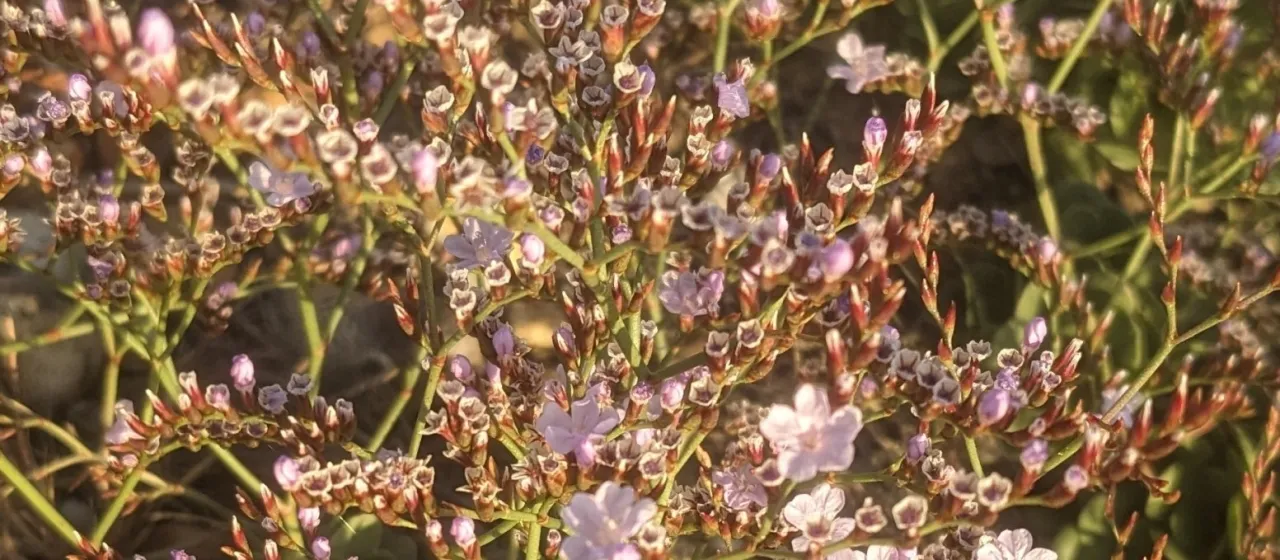
Description
Limonium cuspidatum is a perennial herb belonging to the Plumbaginaceae family. It is a highly resilient plant known for its ability to thrive in harsh environments, making it an excellent choice for xeriscaping and sustainable gardening projects where water conservation is a priority.
The species originates from the arid regions of Central Asia. Its natural habitat includes saline steppes and desert environments. Through evolutionary adaptation, this plant has developed specific mechanisms to tolerate high salinity levels and long periods of water scarcity, allowing it to dominate in soils that are typically unsuitable for most crops.
Botanically, Limonium cuspidatum is characterized by a basal rosette of tough, leathery leaves and a robust taproot system. During the blooming phase, it produces stiff stems adorned with delicate, colorful floral structures. These flowers retain their color and structural integrity long after the plant has ceased its active growth phase, which is a key trait of the genus.
The agricultural requirements for this crop focus on full sun exposure and extremely well-drained soil. It thrives in sandy or rocky substrates with a neutral to alkaline pH. Excessive moisture or humidity is detrimental to the plant, as it leads to root rot. Therefore, it requires minimal intervention once established and performs best with natural rainfall or sporadic, controlled irrigation.
In terms of economic and practical use, Limonium cuspidatum is primarily valued in the floral industry as a high-quality dried flower. It is widely used in dry arrangements and decorations due to its durability. In landscaping, it serves as an ornamental ground cover for arid gardens, rockeries, and areas prone to soil erosion, providing both aesthetic appeal and soil stabilization.
- High tolerance for saline and nutrient-poor soils.
- Exceptional performance in full sun.
- Ideal candidate for dry landscape design.
- Long-lasting color retention in dried arrangements.
The primary sanitary risk for this species is root rot caused by stagnant water in the rhizosphere. Pests such as aphids or spider mites can occur, particularly in poorly ventilated greenhouse conditions or overly crowded plantings. Proper site selection, adequate drainage, and space for air circulation are the most effective strategies for maintaining healthy plants.