
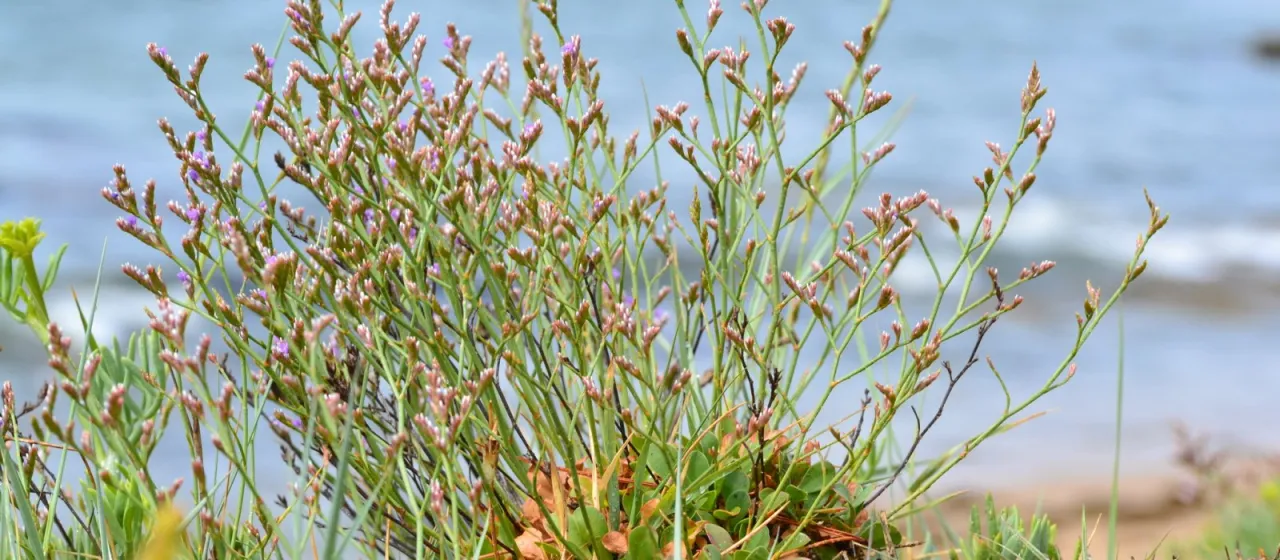
Description
Limonium dodartii is a perennial herbaceous plant belonging to the Plumbaginaceae family. Known for its compact habit and resilience, it is a highly valued species in horticultural and agricultural sectors, especially in coastal regions where soil salinity and wind exposure make standard crop cultivation difficult.
The plant originates from the coastal regions of Western Europe, particularly along the coasts of France. Its natural habitat includes salt marshes and rocky cliffs, which has shaped its physiological evolution. This evolutionary history makes it an ideal candidate for low-maintenance landscaping and erosion control in harsh, maritime-influenced environments.
Botanically, it features a dense basal rosette of leathery leaves and branched flower stems. The flowers, typically vibrant blue or violet, are arranged in panicles. A key feature of this species is its persistent calyx, which allows the flowers to retain their shape and color even after drying, making it a premium choice for the floriculture industry.
Regarding agricultural requirements, Limonium dodartii thrives in full sunlight and well-drained, sandy or gravelly soils. It is notably drought-tolerant once established and does not require rich or heavily fertilized soil. Over-watering is the primary cause of failure, as the root system is highly susceptible to rot in waterlogged conditions. Proper spacing is essential to ensure adequate airflow around the foliage.
In terms of practical application, this species is primarily cultivated for the dried flower market, as its structure holds up well post-harvest. Additionally, it serves a critical role in phytoremediation and soil stabilization projects in coastal saline areas. Growers should remain vigilant for issues like powdery mildew and fungal root rots, typically managed through proper moisture control and preventative fungicides.