
Description
Limonium emarginatum is a perennial herbaceous plant belonging to the Plumbaginaceae family. In horticultural and agricultural contexts, it is highly regarded as a specialized ornamental crop, valued primarily for its durability as a cut flower and its exceptional quality when used as a dried floral component.
The species is native to the coastal Mediterranean regions, specifically originating from the rocky cliffs and coastal areas of Spain. Its natural habitat, characterized by saline air, high solar exposure, and well-drained rocky substrates, has determined its physiological adaptation to drought-prone environments and poor soil quality.
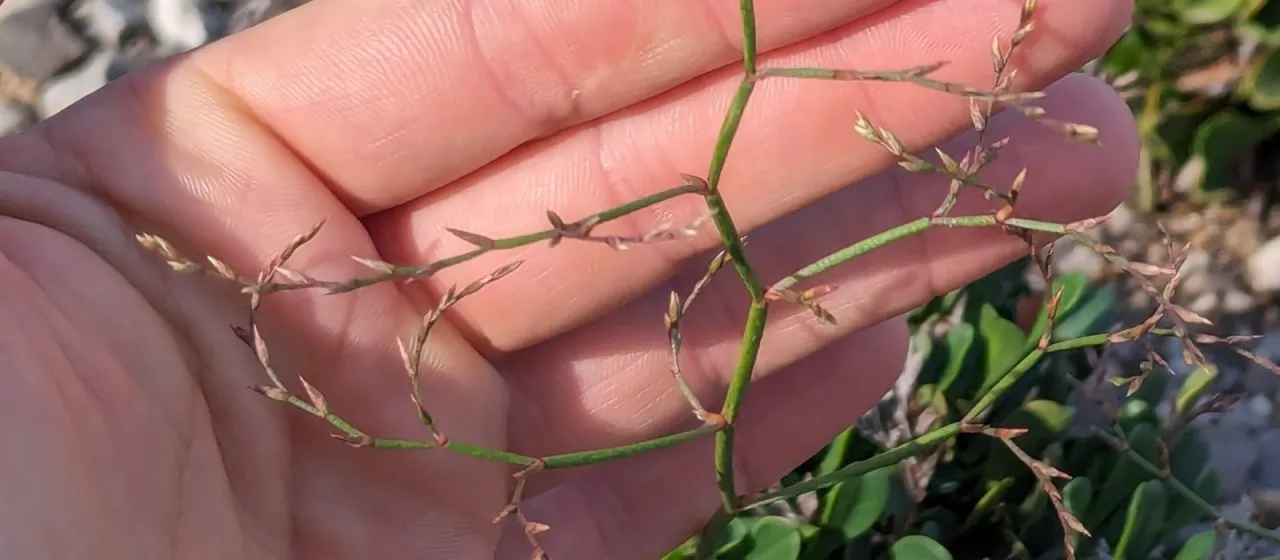
Botanically, the plant develops a basal rosette of coriaceous leaves from which arises a branched inflorescence. The flowers are small, arranged in elegant panicles, and feature papery calyces that retain their shape and color over long periods. This specific morphology makes it an excellent choice for ornamental landscaping and commercial flower production.
Cultivation success depends heavily on replicating its natural environment: full sunlight and excellent drainage are mandatory. The soil should be light, sandy, and neutral to slightly alkaline. The plant is highly drought-tolerant once established and does not require frequent irrigation; in fact, overwatering is a significant risk that can lead to root rot.
- Exposure: Requires full sun for optimal flowering.
- Soil: Sandy or rocky soil with excellent drainage.
- Watering: Sparse, allowing the soil to dry out between waterings.
- Maintenance: Minimal, focused on removing spent stalks.
The primary economic use of Limonium emarginatum is in the floriculture industry for the production of high-quality dried flowers. It is also increasingly utilized in xeriscaping and coastal landscaping projects, where its ability to withstand salt-laden winds and poor soil conditions provides a sustainable decorative solution.
The plant is generally robust, but it can be susceptible to fungal pathogens if exposed to excessive moisture, such as root rot or leaf spots. Pests like aphids or spider mites can occasionally affect the plant in greenhouses or crowded conditions. Integrated pest management and proper air circulation are key to maintaining healthy crops.