
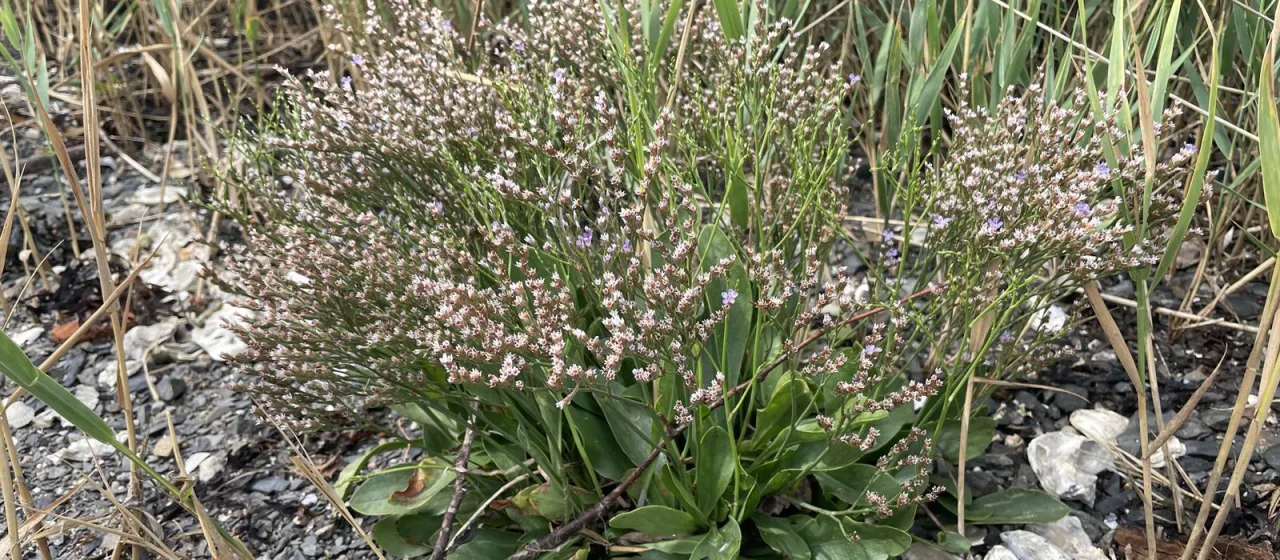
Description
Low sea lavender (Limonium humile) is a herbaceous perennial plant belonging to the Plumbaginaceae family. As a specialized halophyte, it has evolved to thrive in saline environments, such as salt marshes and coastal regions, where high mineral content prevents the growth of most conventional agricultural species.
Its natural range is primarily located along the coastal zones of Europe. The plant is botanically distinguished by its low-growing leaf rosettes and branching spikes of small, colorful flowers. Its root system is exceptionally efficient at nutrient uptake and anchoring the plant in challenging, often unstable soil conditions.
Cultivation requires specific environmental conditions. It demands full sun exposure and well-draining, slightly sandy soils. While it can tolerate saline water, in a garden or nursery setting, providing consistent, moderate moisture without waterlogging is key to its successful development and flowering performance.
- Requires minimal fertilization to avoid lush but weak vegetative growth.
- Thrives in well-drained, sandy or loamy soils with low organic matter.
- Displays high resilience to wind and salt spray, making it ideal for coastal gardens.
In terms of agricultural and horticultural use, it is highly valued as a dried flower crop due to its ability to retain its form and color after harvest. Common health issues include fungal root rot caused by poor soil drainage. Pest management strategies focus on monitoring for aphids and spider mites, which can be controlled through integrated pest management practices.