
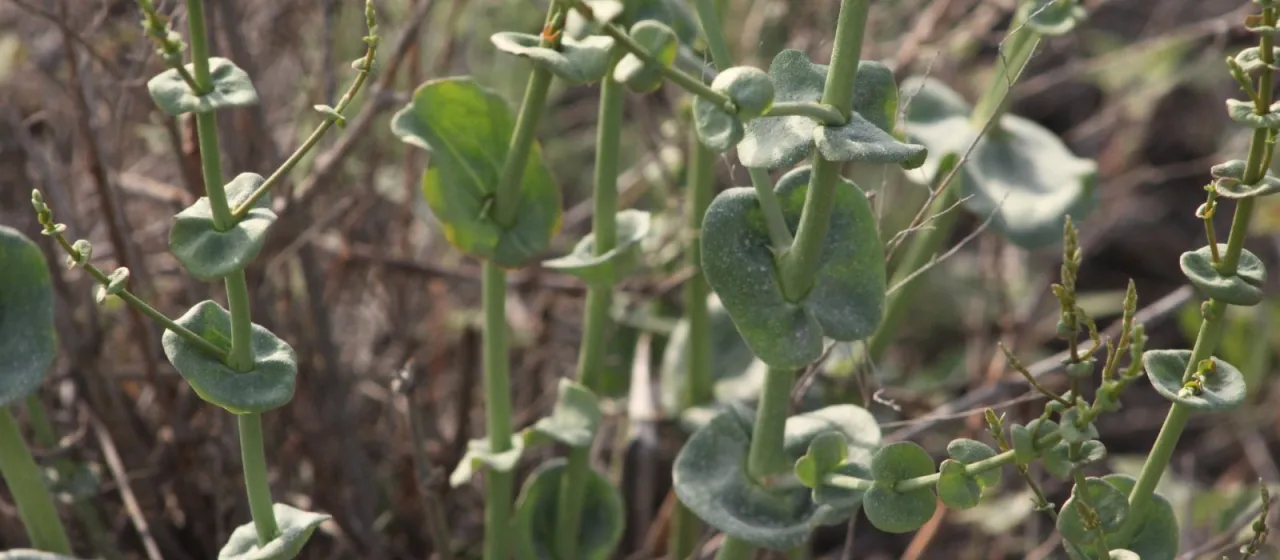
Description
Statice (Limonium otolepis) is a perennial herbaceous plant belonging to the Plumbaginaceae family. Known for its delicate, sprawling, and airy sprays of flowers, it is widely recognized for its exceptional performance in both landscape applications and as a commercial crop for floristry.
The species originates from the arid regions of Central Asia and Iran. Its evolution in harsh, dry environments has endowed the plant with a remarkable ability to withstand prolonged drought and thrive in soils where many other ornamental crops would fail.
Botanically, it forms a basal rosette of leathery, deep green leaves from which arise multi-branched flower spikes. The tiny flowers are surrounded by persistent, papery calyces that retain their structural integrity and color long after the plant is harvested and dried.
Cultivation of Limonium otolepis requires precise attention to soil drainage. The crop performs best in light, sandy, or rocky soils with an alkaline or neutral pH. It is strictly intolerant of waterlogged conditions, which necessitates the selection of elevated planting sites or raised beds.
- Full sun exposure is critical for flower production.
- Sandy, well-draining soil prevents root system decay.
- Minimal fertilization to avoid excessive vegetative growth.
- Optimal spacing to ensure adequate air circulation.
The primary economic use of this plant is within the cut flower industry, specifically for the production of high-quality dried flowers. It is an essential component for professional florists, valued for its ability to provide volume and texture in floral arrangements that last for months without wilting.
In terms of plant health, it is relatively robust but susceptible to fungal pathogens such as Botrytis (gray mold) in high humidity conditions. Growers must also remain vigilant against common pests like aphids and spider mites, which can proliferate if the plant becomes stressed by environmental extremes.