
Description
Oval-leaved sea lavender (Limonium ovalifolium) is a perennial herbaceous plant belonging to the Plumbaginaceae family. This species is widely recognized for its high tolerance to saline environments, making it a unique specimen for cultivation in coastal gardens and specialized ecological restoration projects.
The plant originates from the coastal regions of Western Europe, particularly thriving in maritime habitats and salt marshes. Its evolutionary history has endowed it with specific physiological mechanisms to extract and tolerate salt, which defines its natural distribution and ecological niche in various coastal landscapes.
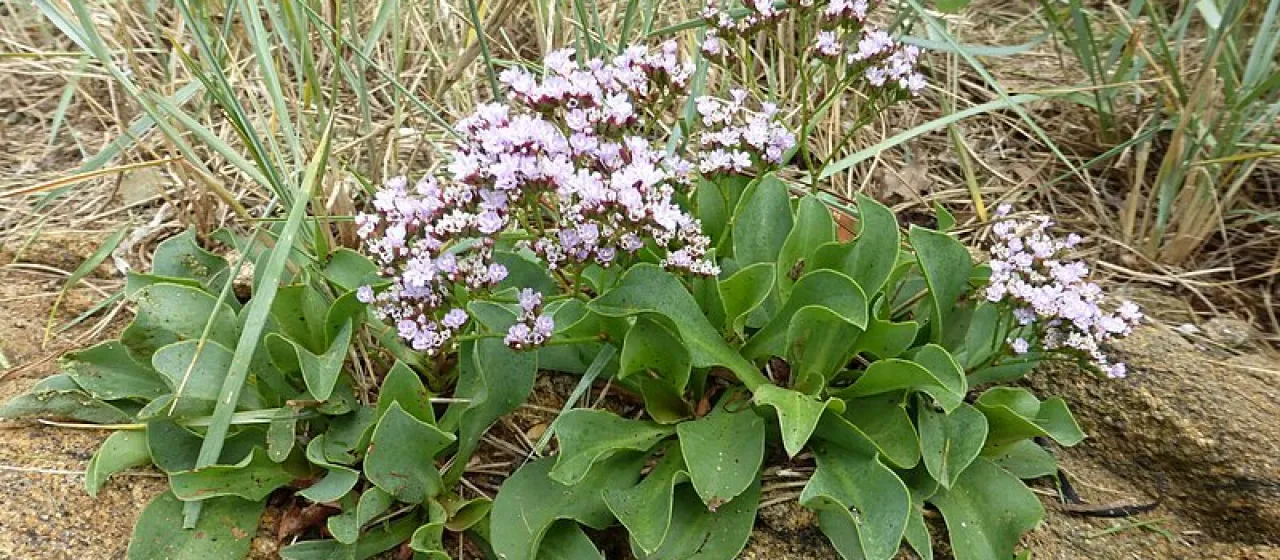
Botanically, the plant is characterized by a basal rosette of ovate, leathery leaves that provide ground cover. The flowering stems are erect and branched, producing dense spikes of small, delicate flowers that are highly valued for their longevity, making this species an excellent candidate for dried flower arrangements.
Successful cultivation requires full sun exposure and well-drained, porous soil to prevent root rot. While the plant is drought-tolerant and handles saline soils with ease, it is strictly intolerant of waterlogged conditions. Proper irrigation management is critical, emphasizing moderate watering only when the substrate is sufficiently dry.
Economically, Limonium ovalifolium is utilized in landscaping as a robust ornamental and in the floral industry as a durable component for floral compositions. Growers should monitor for common issues such as aphids and spider mites, and implement preventative measures against fungal diseases by maintaining optimal airflow around the foliage.