
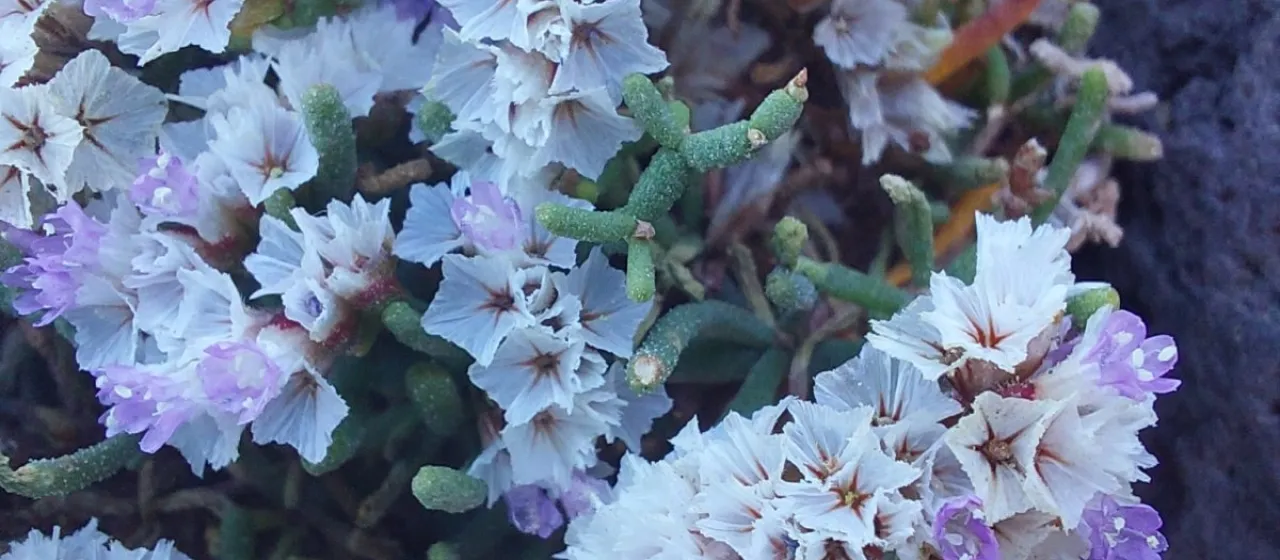
Description
Limonium papillatum is a perennial herbaceous plant belonging to the Plumbaginaceae family. In the agricultural and horticultural sector, this species is highly regarded for its resilience, ability to thrive in challenging environmental conditions, and its distinct physiological adaptations to saline soils.
The plant originates from the Mediterranean basin, where it typically populates arid coastal regions and rocky terrains. Its native distribution reflects a high tolerance to salt spray and heat, making it an excellent candidate for xeriscaping and reclamation projects in areas where common garden species would fail to establish.
Botanically, Limonium papillatum is defined by its basal rosette of leaves which feature distinct papillose (nipple-like) structures on their surface. It produces branched inflorescences with numerous small flowers. Its deep root system is a key botanical adaptation that allows the plant to access moisture in parched substrates while maintaining structural stability.
Cultivation of this species requires minimal technical input but demands specific environmental conditions. It thrives in well-drained, alkaline, or neutral soils and requires full sun exposure. Growers must avoid over-irrigation, as waterlogging is the primary cause of root failure. Propagation is typically achieved via seed sowing in controlled, light conditions during spring.
- Excellent drought tolerance.
- High tolerance to soil salinity.
- Low nutrient requirements.
- Exceptional longevity as a dried flower.
The primary economic and landscape use of Limonium papillatum lies in ornamental horticulture. It is frequently utilized in rock gardens, coastal landscapes, and xeriscapes due to its hardiness. Additionally, it is highly sought after by the floral industry as a premium dried flower, maintaining its aesthetic appeal and shape long after being harvested.
Regarding plant health, the species is susceptible to fungal issues such as powdery mildew or gray mold if air circulation is poor or humidity levels are excessive. Common insect pests include aphids and mites, which can be managed through regular monitoring and appropriate integrated pest management practices to maintain a healthy floral display.