
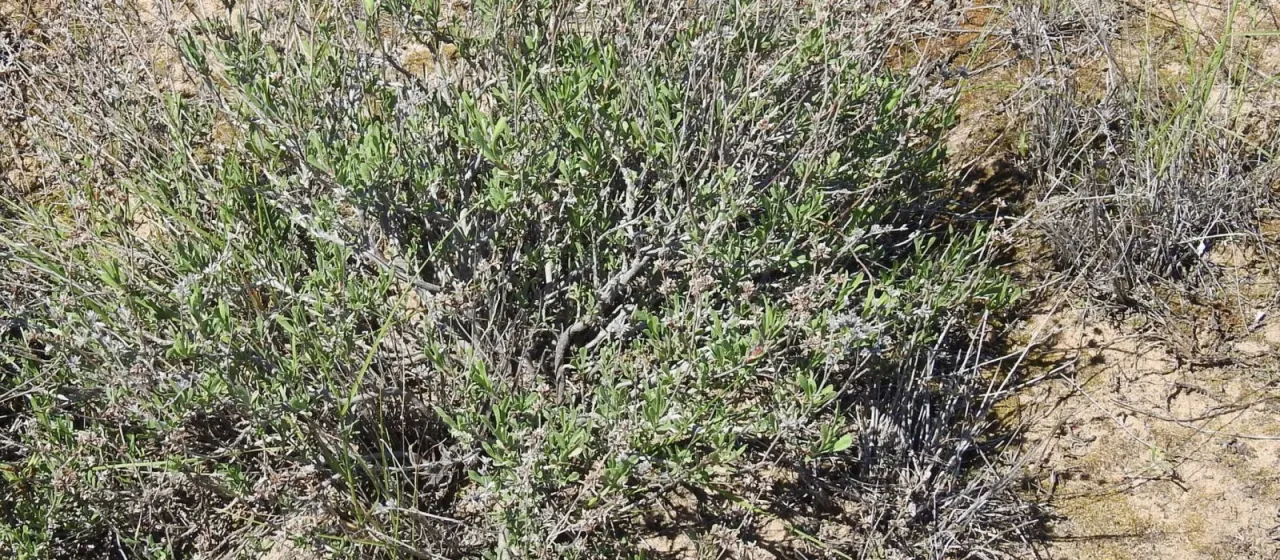
Description
Shrubby sea lavender (lat. Limonium suffruticosum) is a perennial subshrub belonging to the Plumbaginaceae family. It is a highly specialized plant species, widely recognized in agronomy for its impressive tolerance to saline soils and drought, making it a valuable asset for sustainable land management in arid climates.
The native habitat of this plant includes the dry regions of Central Asia and parts of Southeastern Europe. Historically, it has thrived in steppes and saline depressions, environments that are typically inhospitable for standard agricultural crops. This innate resilience allows it to function as a pioneer plant for soil reclamation efforts.
Botanically, it presents as a semi-woody shrub reaching heights of up to 60 cm. It features a deep taproot system designed to access water at lower soil depths. The foliage is leathery, reducing water loss through transpiration. During the summer months, it produces branched inflorescences with small, vibrant flowers that provide significant visual interest and ecological value.
Cultivation requirements for this species are centered on proper drainage and sunlight exposure. The plant performs best in sandy or loamy soils where air circulation is adequate. Excessive irrigation is the primary enemy of successful cultivation; therefore, fields must be managed to prevent water logging, which can quickly lead to root decay.
Key economic and practical applications include:
- Production of tannins for the leather industry.
- Extraction of bioactive compounds for pharmaceutical and cosmetic use.
- Land reclamation and stabilization of eroded, salty soils.
- Ornamental gardening, particularly for low-maintenance xeriscaping.
Common health issues for this crop include fungal infections like powdery mildew, which thrive in humid or stagnant conditions. Pests such as aphids and spider mites can occasionally affect plant vigor. Implementing integrated pest management strategies, focusing on biological controls and appropriate spacing to maintain airflow, is essential for healthy crop development.