
Description
Linaria bipartita is an annual herbaceous plant belonging to the Plantaginaceae family. Known for its distinctively shaped, spurred flowers, it is widely appreciated in ornamental horticulture for its delicate appearance and vibrant color range, making it a popular choice for flower beds and decorative borders.
Native to North Africa, particularly Morocco, this species has been successfully introduced to various temperate climates worldwide. Its natural habitat is characterized by sunny, open areas, which dictates its preference for well-lit positions when grown in garden settings as an ornamental crop.
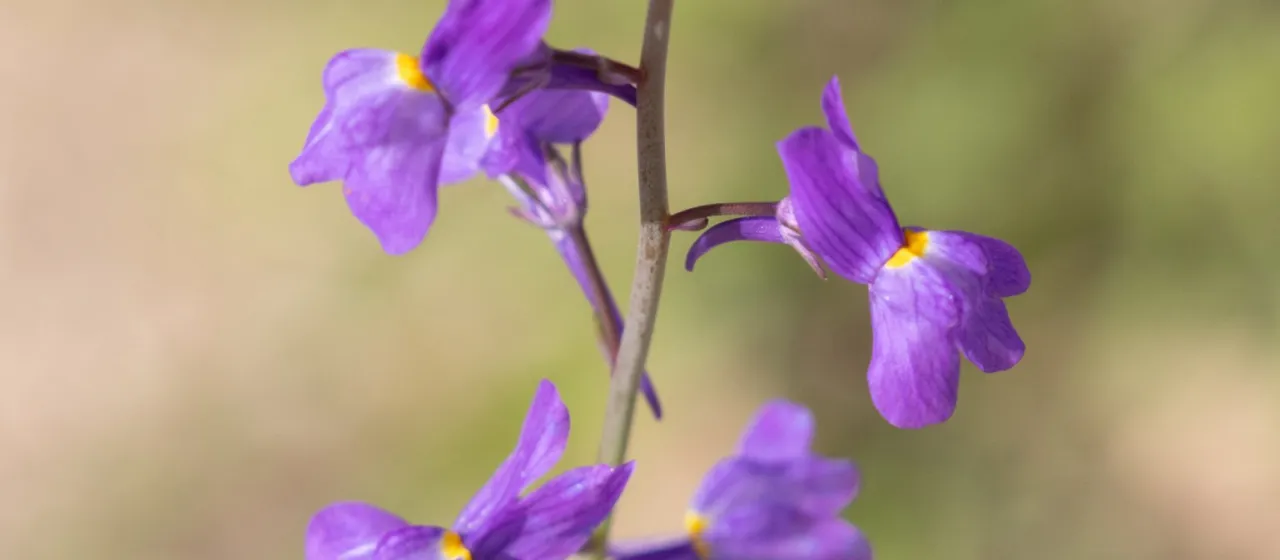
Botanically, the plant features erect, branched stems reaching heights of 30 to 50 centimeters. Its foliage consists of linear to lanceolate leaves. The inflorescences are racemes of small, two-lipped flowers. These blooms appear in diverse colors, often featuring a contrasting patch of yellow on the lower lip, which acts as a guide for pollinators.
Cultivation of Linaria bipartita requires specific environmental conditions to ensure optimal growth. It thrives best in well-drained, sandy, or loamy soils with a neutral pH. While it displays moderate drought tolerance, regular watering is recommended during dry spells to maintain consistent blooming. It is essential to choose a site with full sun exposure, as shade can cause the stems to become leggy and weak.
In terms of agricultural and horticultural management, the plant is relatively low-maintenance. However, growers should remain vigilant against common pests such as aphids or spider mites, especially in warm, humid conditions. Furthermore, providing proper air circulation is the best preventive measure against fungal diseases like powdery mildew, ensuring a healthy and flourishing flower display throughout the growing season.