
Description
Purple toadflax (Linaria purpurea) is a perennial herbaceous plant belonging to the Plantaginaceae family. It is recognized for its elegant, vertical growth habit and vibrant, spike-like racemes of flowers, making it a valuable addition to ornamental plantings and biodiversity-focused agricultural projects.
Native to Italy, this plant has naturalized across many regions with temperate climates. Its ability to thrive in diverse environments has made it a common choice for gardeners and landscapers looking for low-maintenance, hardy perennials. It prefers sunny locations and performs well in open, well-lit spaces.
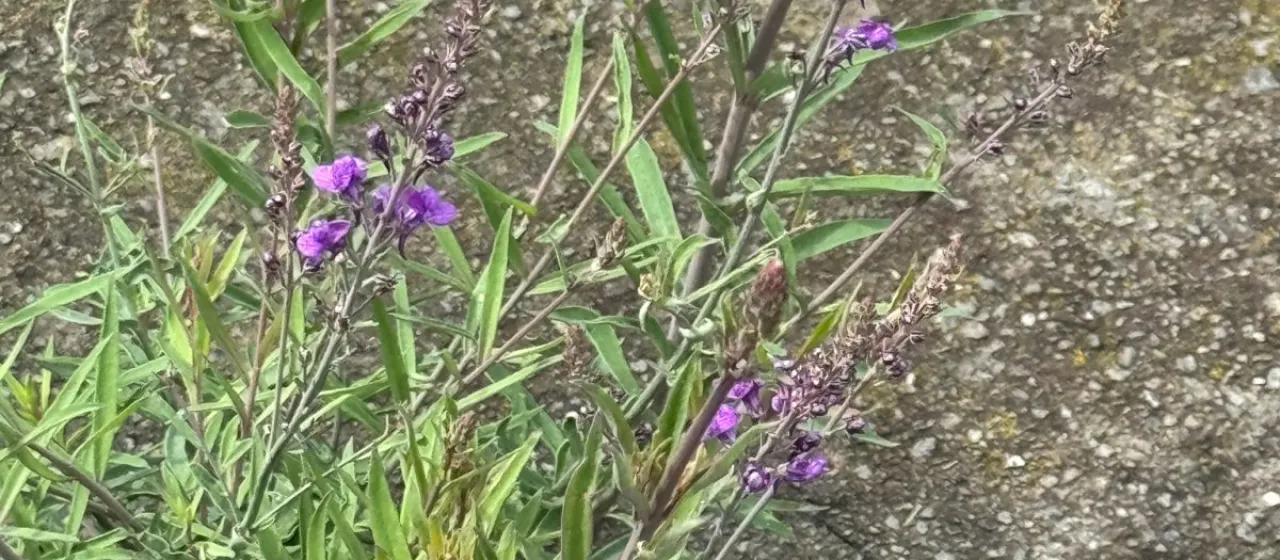
Botanically, Linaria purpurea features tall, slender stems that can reach nearly a meter in height. Its foliage is narrow, gray-green, and densely packed along the stalks. The flowers themselves are small, snapdragon-like, and appear in shades of deep purple to violet. The root system is quite vigorous, allowing the plant to persist in varied soil types.
In terms of agricultural requirements, purple toadflax favors well-drained, gritty, or sandy soils. It is remarkably drought-tolerant once established, requiring very little supplemental irrigation. Standard maintenance involves cutting back the flower spikes after the initial bloom to encourage a second flush of flowers and to prevent excessive self-seeding.
The primary use of purple toadflax is in ornamental horticulture and as an attractant for pollinators, including bees and butterflies. While generally robust, the plant can be susceptible to aphids or powdery mildew if planted in conditions with poor airflow or chronically damp soil. Proper spacing is essential for disease prevention.
- Excellent drought tolerance
- Significant value for pollinators
- Low soil fertility requirements
- Long blooming season