
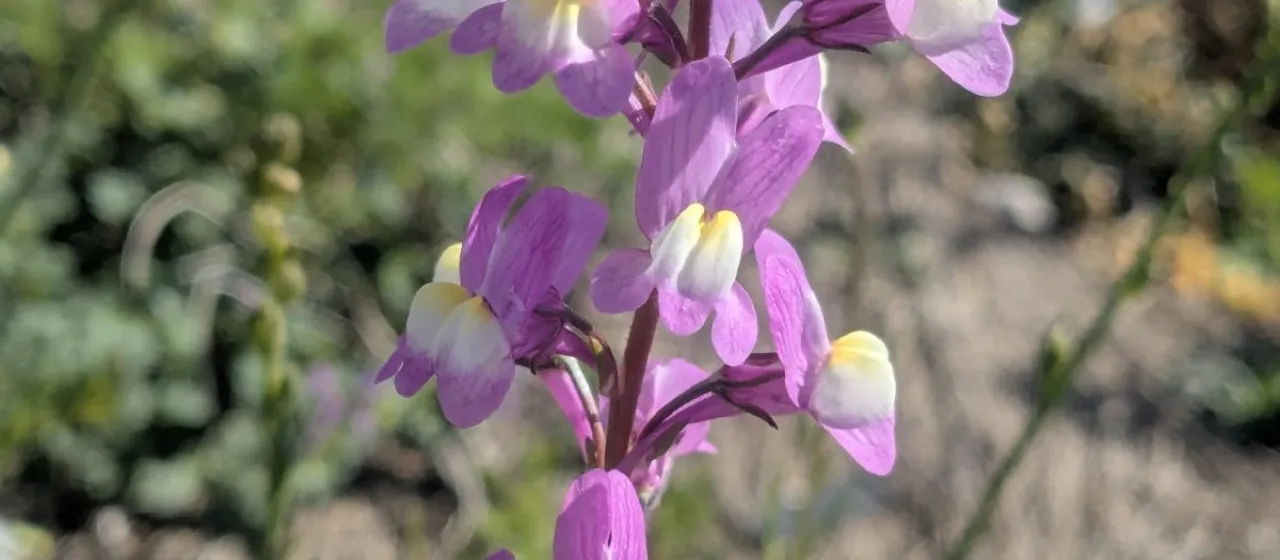
Description
Moroccan toadflax (Linaria maroccana) is a charming herbaceous annual belonging to the Plantaginaceae family. Renowned for its delicate yet vibrant spikes of snapdragon-like flowers, it serves as a staple in ornamental horticulture, valued for its long blooming period and adaptability in various garden settings.
Originating from the Mediterranean region of North Africa, specifically Morocco, the plant is evolutionarily adapted to sunny and relatively dry environments. In agricultural and horticultural contexts, it is widely utilized for mass plantings, border filling, and as a component in wild-flower seed mixes for naturalized landscapes.
Botanically, this species typically reaches a height of 20 to 40 cm. It features slender, lanceolate leaves on branching stems. The flowers are characterized by a distinctive spurred shape and a rich variety of colors, including vibrant shades of red, purple, yellow, and white, often featuring contrasting patches that attract pollinators such as bees and butterflies.
Successful cultivation requires well-drained, nutrient-rich soil with a neutral to slightly acidic pH. The plant thrives in full sun exposure and is highly susceptible to root rot if the soil remains waterlogged. Agrotechnical management involves sowing seeds directly into the site after the danger of frost has passed or starting them indoors in early spring for earlier bloom cycles.
Maintaining the health of Moroccan toadflax involves managing typical garden pests and diseases. Aphids can occasionally infest the growing tips, while poor drainage in overly humid conditions often leads to fungal issues like powdery mildew. Regular deadheading of spent flower stalks is highly recommended to encourage the production of secondary blooms throughout the summer season.