
Description
Dalmatian toadflax is a perennial herb belonging to the Plantaginaceae family. While it is sometimes appreciated in ornamental horticulture for its snapdragon-like yellow flowers, it is primarily recognized in agronomy as a persistent and invasive weed that poses a significant threat to agricultural productivity and natural rangelands.
Native to the Mediterranean region and parts of Western Asia, this plant has spread extensively across North America. It thrives in diverse environments, demonstrating a remarkable ability to establish itself in degraded lands, roadsides, and cultivated fields, where it competes aggressively for water and essential soil nutrients.
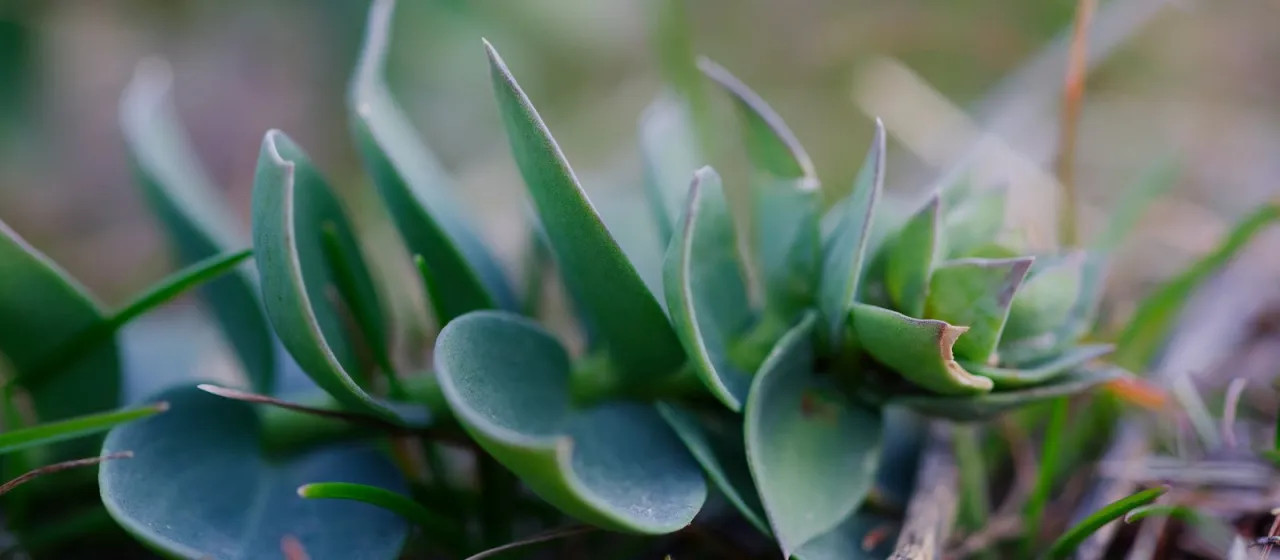
The plant is characterized by its glaucous, waxy leaves and bright yellow flowers featuring a long, narrow spur. Its most impressive biological feature is its root system, which consists of a deep taproot combined with creeping lateral roots. These horizontal roots allow the plant to regenerate rapidly even after severe mechanical damage, making it a difficult weed to eradicate.
In terms of environmental requirements, it is highly adaptable, preferring sunny, well-drained soils but capable of persisting in varied soil textures and moisture regimes. Effective agricultural management typically requires a multi-year strategy, as the plant's robust root reserves allow for rapid recovery. Integrated weed management programs often combine chemical control with physical removal and cultural practices.
- Requires consistent monitoring to prevent spread.
- Effective control often utilizes biological agents, such as specialized weevils.
- Can cause toxicity issues if consumed by livestock in large quantities.
- Seeds can remain viable in the soil for several years.
The economic impact of this species is largely due to the reduction in forage quality for cattle and the degradation of biodiversity. Due to its status as a major weed, ongoing research focuses on finding biological control agents to mitigate its presence without relying solely on intensive chemical interventions, which may be impractical in large-scale rangeland settings.