
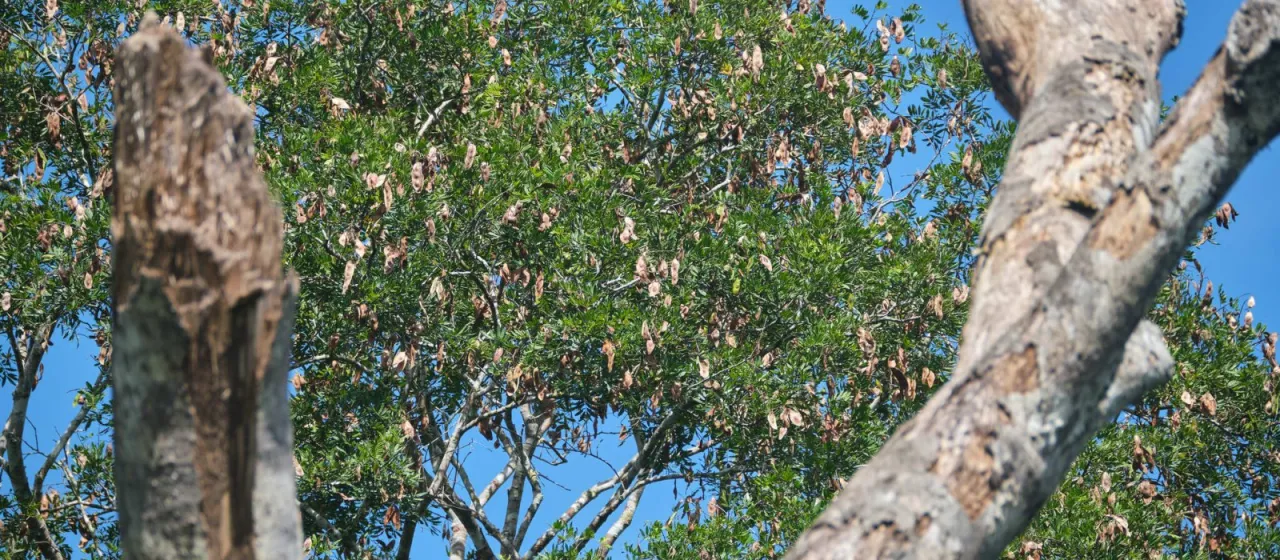
Description
Lonchocarpus castilloi is a significant tree species belonging to the Fabaceae family, recognized primarily for its economic value in tropical forestry. Native to the humid forests of Central America, including countries like Mexico and Belize, this species serves as a source of high-quality timber. It belongs to a diverse genus known for producing durable woods that are resistant to decay, making it a valuable asset in sustainable plantation programs.
The origin of this species is tied to the rainforest ecosystems of the Mesoamerican region. Lonchocarpus castilloi thrives in warm, humid climates characterized by high annual rainfall and consistent temperatures. It typically grows in lowland forests, occupying areas with deep, nutrient-rich soils that support its rapid growth rate and development of a robust canopy within the forest architecture.
Botanically, the tree is characterized by its pinnately compound leaves and an upright growth habit. Its wood is dense and durable, which has historically made it a preferred choice for heavy construction and craft work. The species also exhibits the biological capacity for symbiotic nitrogen fixation, a common trait in the legume family, which enhances soil fertility in areas where it grows, providing a positive ecological impact.
In terms of agricultural management, Lonchocarpus castilloi requires well-drained soils and protection from frost, as it is strictly a tropical plant. Optimal management practices involve spacing that allows for adequate light penetration while minimizing competition with fast-growing invasive weeds during the juvenile stage. Irrigation may be necessary during the first few years until the taproot is fully established in the deeper soil horizons.
The primary economic use is centered on its timber, which is highly valued for its mechanical strength and resistance to environmental stress. Research is also ongoing regarding potential bioactive compounds found within the bark and leaves. Regarding plant health, the species can be susceptible to wood-boring beetles and fungal pathogens that affect the vascular system if soil drainage is compromised, requiring periodic monitoring and preventive maintenance.
- Durable and dense timber production
- Natural nitrogen fixation
- High resistance to environmental decay
- Restoration potential in tropical forestry
- Medicinal and chemical research value