
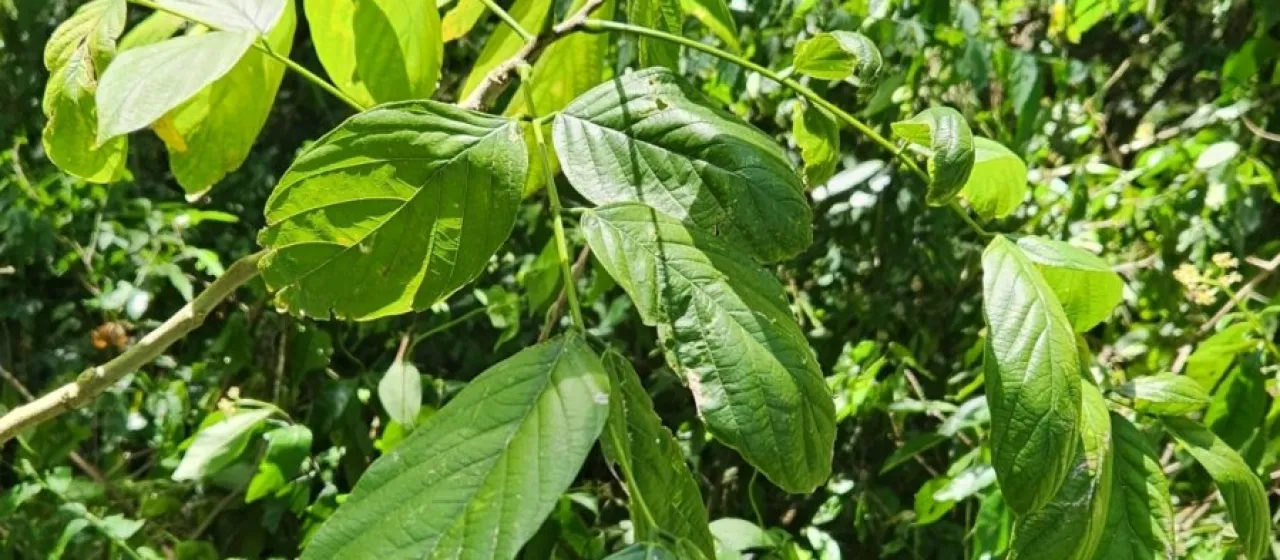
Description
Lonchocarpus muehlbergianus is a deciduous tree species belonging to the Fabaceae (legume) family. Often found in South American forest ecosystems, it is recognized for its robust growth habit and its role in ecological restoration, providing significant biomass and soil stability.
Originating from the tropical and subtropical regions of South America, including Brazil and Paraguay, this tree is well-adapted to riverside environments. In modern agricultural practice, it is increasingly valued for its resilience and its contribution to agroforestry systems, particularly in restoring degraded landscapes.
The botanical characteristics of the species include pinnate leaves and distinctive racemes of flowers, which are typically purple or violet. The plant features a vigorous root system, which is essential for survival in diverse soil types and helps in nutrient cycling within the forest floor environment.
Cultivation requirements involve a stable climate with adequate moisture during the growing season. The species performs best in deep, well-draining soils with high organic matter content. Agrotechnical management should focus on early-stage irrigation and competition control to ensure that young saplings establish a strong canopy and root structure.
The agricultural and environmental applications for this species are numerous:
- Utilized in reforestation projects to restore biodiversity.
- Effective for erosion control on sloping agricultural land.
- Provides shade in silvopastoral systems for livestock management.
- Serves as a source of nectar for local pollinator species.
Typical plant health issues involve fungal infections if drainage is poor and specific leaf-eating insect pests. Monitoring and preventative measures, such as proper spacing and ensuring adequate soil aeration, are recommended to maintain the long-term health and productivity of the plantings.