
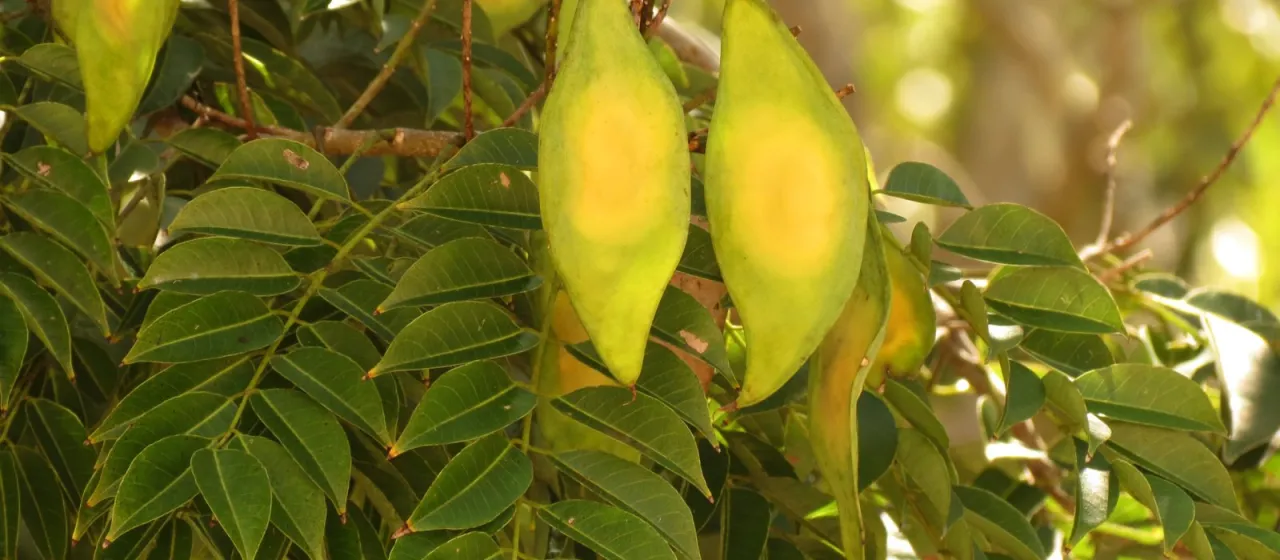
Description
Lonchocarpus punctatus is a notable species within the legume family, Fabaceae. It typically grows as a small tree or large shrub and is indigenous to the Caribbean region. This species is recognized for its biological importance and its historical role in traditional local agriculture and medicinal practices within its native range.
The geographic distribution of the species is primarily centered in the West Indies, including Puerto Rico and the Virgin Islands. It thrives in tropical climates, demonstrating significant resilience in dry forests and limestone-rich soils. Its ability to withstand seasonal droughts makes it a hardy species in regions where water availability can be highly variable.
Botanically, Lonchocarpus punctatus is characterized by its complex leaves and distinctive flowers, which are often arranged in pendulous racemes. The leaves typically feature translucent dots—small glandular structures—which give the plant its specific name. The fruit is a flattened pod, common to the Fabaceae family, containing several seeds that facilitate natural reproduction.
Cultivation requirements involve selecting sites with well-draining soils to avoid root rot, which is a common issue in poorly aerated environments. The plant prefers full sun exposure to maintain high photosynthetic activity. While it is relatively low-maintenance once established, young plants require careful monitoring for pests and adequate irrigation during their first growing season to ensure proper root development.
Economically, the plant is historically significant due to the presence of rotenoids in its roots and bark. These compounds serve as powerful natural insecticides, which have been used to protect crops and in various pharmacological applications. Furthermore, the timber of this species is valued locally for its density and durability, making it suitable for tool handles and small-scale construction projects.
- Rich source of rotenone, a natural biopesticide.
- Adaptable to alkaline and rocky soil conditions.
- Promotes soil health through nitrogen-fixing associations.
- Requires minimal pruning once fully grown.