
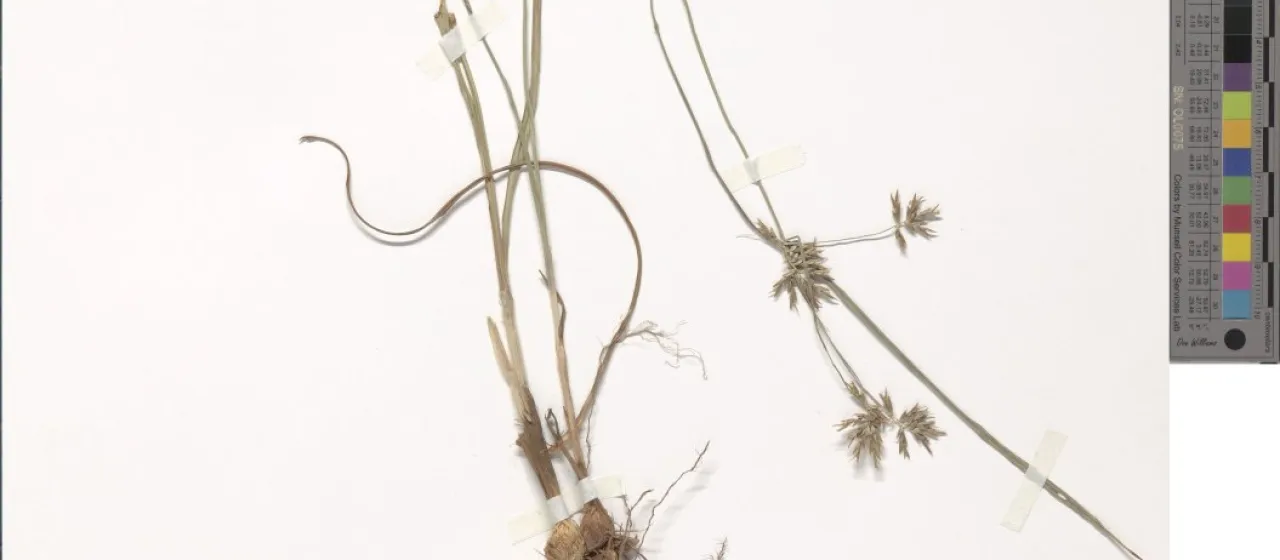
Description
Mariscus laxiflorus is a perennial plant belonging to the Cyperaceae family. Known for its adaptability to wet environments, this species acts as a significant component in ecosystems where moisture availability is constant or seasonally high, making it a subject of interest for specialized agricultural practices.
The plant originates from tropical and subtropical regions across the globe. Its natural habitat includes wetlands, riverbanks, and marshy plains where the soil remains saturated for long periods. The distribution range is focused on warm climates that allow for rapid growth cycles and consistent biomass production.
Botanically, it features upright, triangular-shaped stems and slender leaves. The inflorescence is characterized by loose, spreading spikes, which distinguish it from other sedges within the same genus. A robust rhizomatous root system allows the plant to anchor effectively in soft, muddy substrates and spread vegetatively.
Regarding cultivation, this species thrives in moisture-retentive soils with high organic matter content. Agronomic management involves selecting sites with high water tables, as the plant shows excellent tolerance to flooding. Maintenance primarily focuses on managing plant density to ensure adequate airflow and nutrient access, preventing the buildup of stagnant water pockets.
In terms of хозяйственное использование, this plant is utilized for soil stabilization near water bodies and as a source of biomass for local crafts or specialized forage. Because it prefers aquatic or semi-aquatic conditions, it is rarely subjected to conventional crop pests, though it may encounter fungal pathogens during periods of low light and high humidity.