
Description
Mariscus thunbergii is a perennial herb belonging to the Cyperaceae (sedge) family. This species is primarily recognized for its robust growth habit in wetland environments and its ability to thrive in soil conditions that are often unsuitable for conventional cereal crops.
Originating from Southern Africa, this plant has adapted to diverse climatic zones with high moisture availability. Its natural habitat includes riverbanks, floodplains, and marshy grasslands. Due to its natural distribution, the crop requires specific environmental conditions to maintain high biomass production, particularly in warm-temperate and tropical regions.
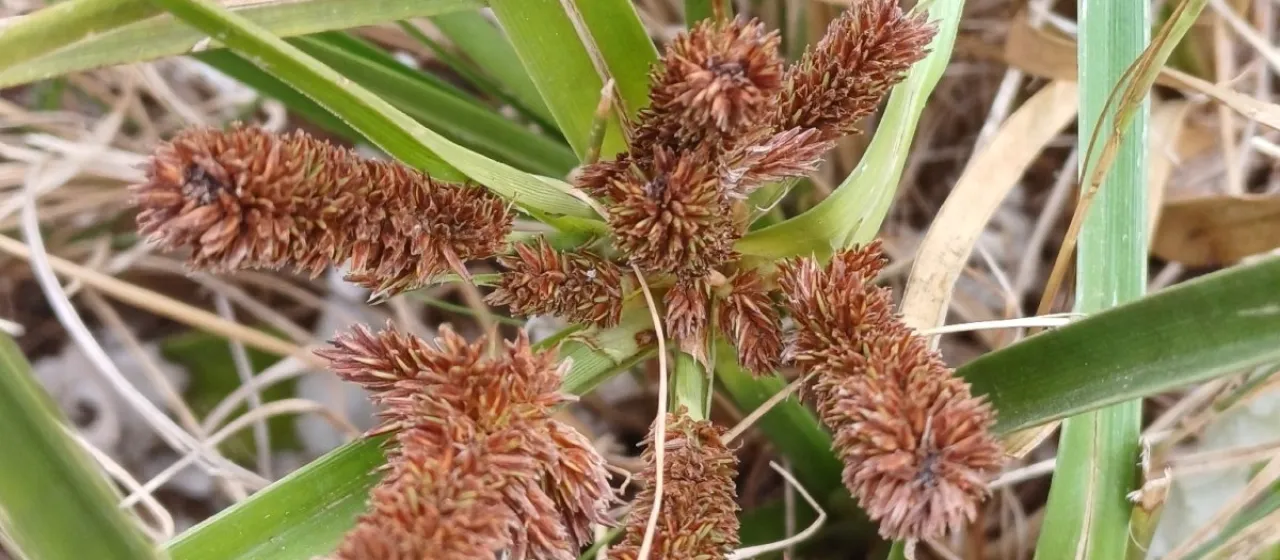
Botanically, the plant is characterized by dense tufts and stiff, linear leaves. Its reproductive system consists of umbrella-like inflorescences featuring numerous spikelets. The root system is deep and fibrous, which is essential for stabilization in water-logged soils, preventing soil detachment and nutrient runoff.
Regarding cultivation requirements, Mariscus thunbergii demands consistent moisture and high soil organic matter content. It is well-suited to acidic soils common in wetland areas. Effective management involves maintaining water tables throughout the growing season and ensuring appropriate spacing to optimize light interception and prevent the spread of moisture-loving pathogens.
The agricultural and economic utility of the crop includes several key applications:
- Erosion control in riparian buffer zones and agricultural water management.
- Integration into wetland restoration projects to improve water quality through filtration.
- Utilization of biomass as organic mulch or low-grade fodder under specific livestock systems.
- Use in ornamental landscapes and aquatic garden design for soil stabilization.
Common biotic threats include root rot caused by prolonged water stagnation combined with high temperatures, and specific herbivorous insects that target the inflorescences. Integrated pest management strategies, such as periodic drainage management and selective harvesting, are recommended to maintain plant health and productivity.