Metrosideros collina
Metrosideros collina (J. R. Forst. & G. Forst.) A. Gray
Description
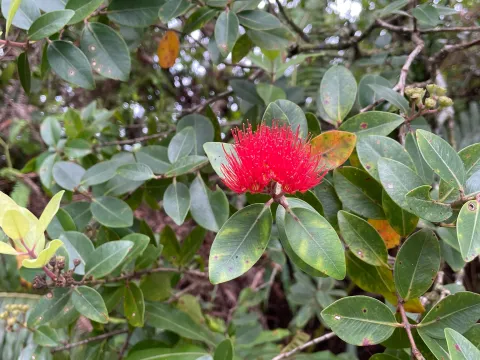
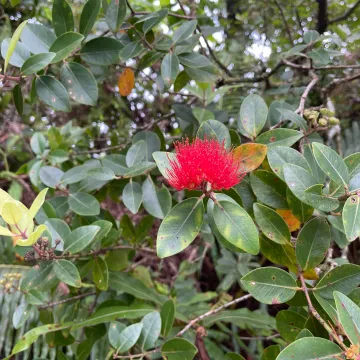
Metrosideros collina is an evergreen shrub or small tree belonging to the Myrtaceae family. Known for its remarkable aesthetic appeal, this plant is characterized by its vibrant, brush-like flower clusters that emerge throughout the blooming season, making it a standout feature in both ornamental gardens and natural landscapes.
Native to the Pacific Islands, including Fiji, Vanuatu, and French Polynesia, the species is naturally adapted to volcanic terrain and highland environments. Its geographical distribution reveals a preference for tropical and subtropical climates where humidity remains high and temperatures do not drop to freezing levels, ensuring optimal vegetative development.
Botanically, Metrosideros collina is recognized by its dense, leathery foliage and distinct, showy stamens that serve as the primary attraction of the blossoms. The plant possesses a robust root system, which allows it to thrive on rocky substrates where soil depth might be minimal, demonstrating its inherent resilience and structural adaptability.
For successful cultivation, the plant requires well-draining, slightly acidic soil rich in organic matter. While it prefers full sun for maximum bloom production, it must be protected from extreme, desiccating winds. Agronomic management involves consistent irrigation during dry periods and balanced fertilization, though growers must be cautious to avoid excessive nitrogen, which can inhibit flower development.
The primary use of this crop is in landscape architecture, particularly for coastal stabilization, hedge formation, and as an ornamental specimen in conservatories. Common threats to plant health include scale insects and mealybugs, while root rot remains the most significant risk when soil drainage is insufficient. Integrated pest management and proper irrigation scheduling are essential for maintaining the health of the specimens.
Photo gallery