White Rata
Metrosideros albiflora
Description
White Rata (Metrosideros albiflora) is a distinctive evergreen climber or shrub from the Myrtaceae family. Often starting its life as an epiphyte in the wild, this species is highly valued for its striking foliage and elegant white flowers that provide a clean, modern aesthetic in botanical collections.
This species is endemic to New Zealand, specifically found in the northern forests of the North Island. It is naturally adapted to temperate, high-rainfall environments and thrives in sheltered habitats where humidity levels remain relatively high throughout the year.
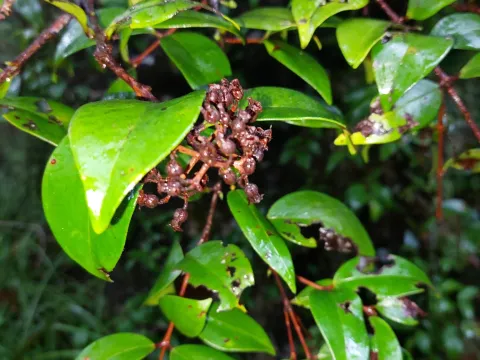
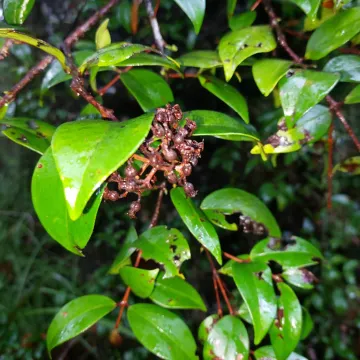
Botanically, Metrosideros albiflora is characterized by its glossy, oval-shaped dark green leaves and distinctive white, fluffy-looking flowers. These blooms appear as terminal clusters, showcasing numerous stamens that are characteristic of the genus Metrosideros, providing a visual contrast to its dark foliage.
Cultivation requires a well-draining, slightly acidic soil substrate rich in organic matter. Proper air circulation is vital, as the plant is susceptible to fungal issues if exposed to stagnant, overly humid conditions without ventilation. Regular, moderate watering is necessary, avoiding complete drying of the root zone while ensuring that no waterlogged conditions persist.
The plant is primarily used as an ornamental specimen in gardens, conservatories, or as a feature climber on vertical structures. While generally hardy, growers must be vigilant against pests like scale insects and spider mites, which can thrive in protected greenhouse environments. Integrated pest management and consistent monitoring are the cornerstones of successful cultivation.
Photo gallery