
Description
Chilean algarrobo, scientifically classified as Neltuma chilensis (formerly known as Prosopis chilensis), is a prominent member of the Fabaceae family. This resilient tree species is highly valued in agriculture for its ability to thrive in extremely arid environments where few other woody plants can survive, serving as a critical resource for sustainable farming in drylands.
Native to the arid regions of South America, particularly Chile, Peru, and Argentina, the plant has evolved to withstand high thermal fluctuations and severe water scarcity. Its presence in the landscape is vital for preventing desertification, as the tree provides shade for livestock and helps maintain soil moisture levels through its deep and efficient root system.
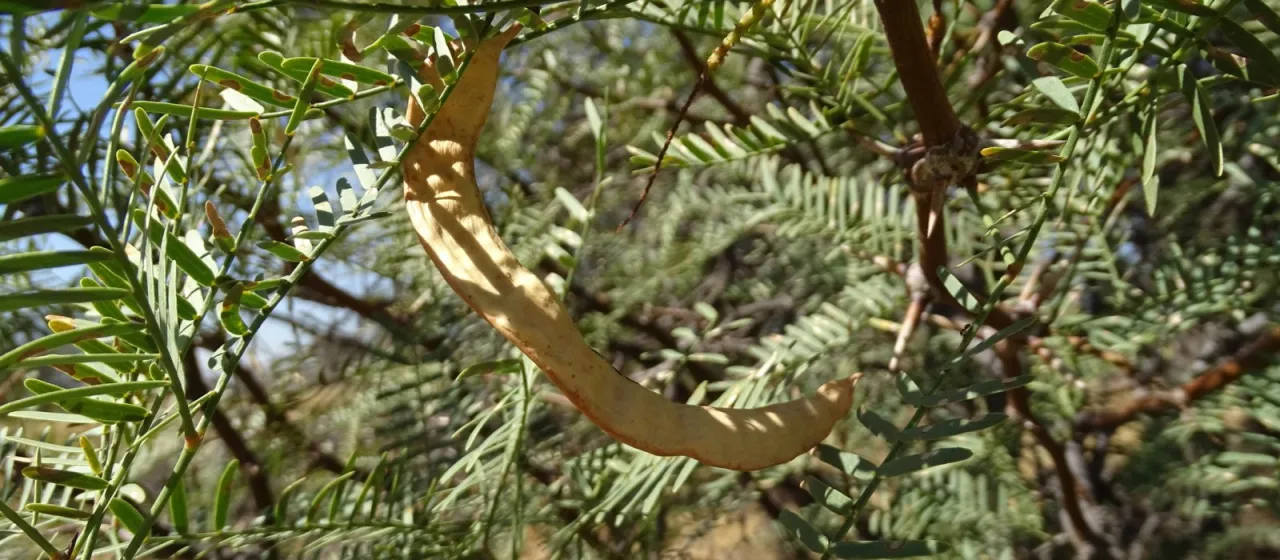
Botanically, it is a deciduous tree with a spreading canopy and delicate, pinnate leaves that reduce transpiration. The flowers, appearing in dense racemes, lead to the production of nutrient-rich pods. These pods contain high levels of protein and carbohydrates, making them an essential forage source for cattle, goats, and sheep, particularly during the dry season when traditional pasture is scarce.
Regarding cultivation requirements, Neltuma chilensis demands well-draining soils and full sun exposure. It shows significant tolerance to saline soils, making it an excellent candidate for reclaiming degraded lands. Proper field establishment requires minimal irrigation during the early phases of growth, after which the tree becomes highly independent, relying on its deep root system to access groundwater.
- Exceptional drought and heat resistance.
- Nitrogen-fixing capability enhances soil fertility naturally.
- Nutritious seed pods serve as valuable livestock feed.
- Hard, durable timber suitable for construction and furniture.
- Effective soil stabilization against wind erosion.
The tree is susceptible to specific pests, such as bruchid beetles that target the seeds within the pods, and occasionally to root rot if planted in waterlogged conditions. Integrated pest management, emphasizing clean seed storage and appropriate site selection, is the preferred approach for maintaining healthy, productive stands of this versatile agricultural species.