
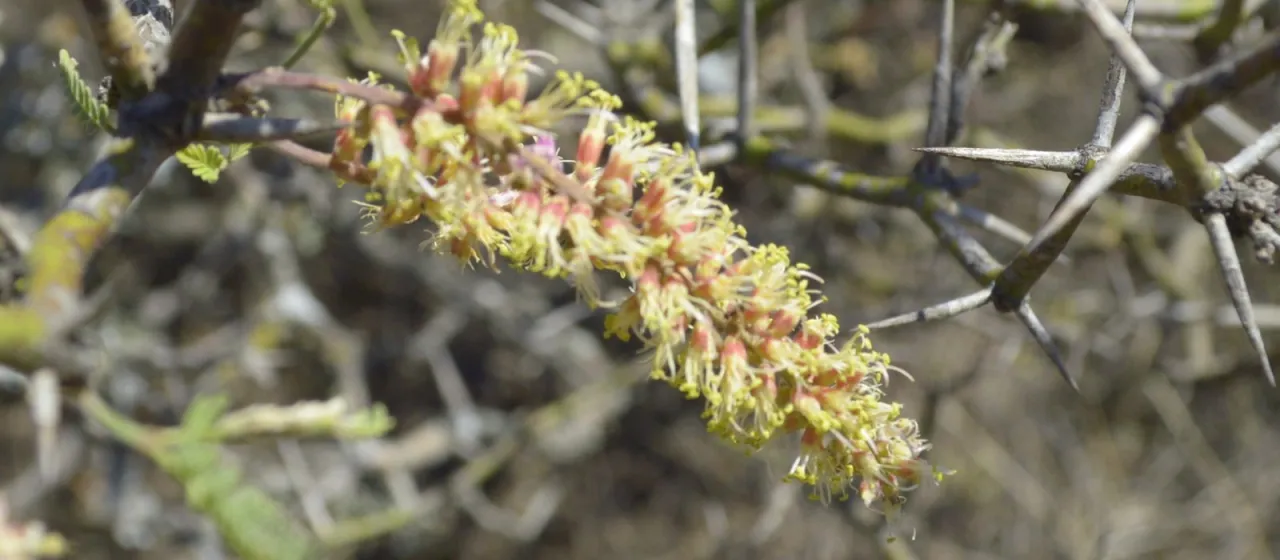
Description
Neltuma elata, formerly known within the genus Prosopis, is a significant woody plant belonging to the Fabaceae family. As a perennial leguminous tree, it is well-regarded for its robust growth, architectural complexity, and a deep-reaching root system that allows it to thrive in challenging environments where water availability is limited.
The species originates from arid and semi-arid zones of North and Central America. In agricultural and environmental contexts, it is highly valued for its ability to stabilize fragile landscapes and reclaim degraded lands. Its geographical distribution typically follows warm, dry regions where the plant acts as a key component of the local ecosystem.
Botanically, Neltuma elata displays characteristic compound pinnate leaves that minimize water loss and long, protein-rich pods. A critical biological feature is the plant's symbiotic relationship with nitrogen-fixing bacteria in the root nodules, which enriches the soil with essential nutrients, thereby benefiting the growth of neighboring vegetation.
Agronomic requirements are focused on well-drained soil profiles, including sandy or rocky terrains. While the plant is remarkably tolerant of saline and alkaline soil conditions, it requires full sun exposure for optimal development. Proper management practices involve careful pruning to maintain stand health and adequate spacing to minimize resource competition during the early growth stages.
- Superior drought tolerance and heat resistance.
- Effective atmospheric nitrogen fixation in soil.
- High nutritional value of seed pods for livestock.
- Utilization of durable timber in woodworking and fuel.
The crop is susceptible to certain fungal root pathogens if exposed to waterlogged conditions, as well as specific seed-feeding insects. To maintain healthy stands, agronomists recommend regular field monitoring and strict adherence to moisture management to avoid root rot and minimize pest pressure within the plantation.