
Description
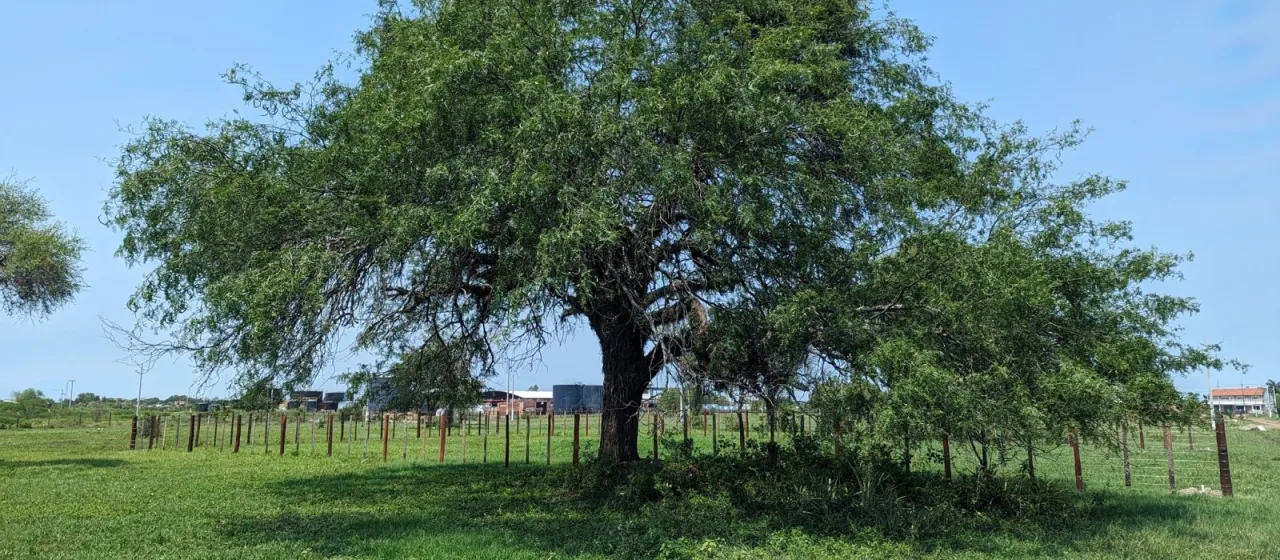
Neltuma fiebrigii is a woody legume species within the Fabaceae family. As an agricultural crop, it is recognized for its significant drought tolerance and ability to thrive in challenging environments where typical crops fail to establish, making it an essential component of sustainable forestry and agro-pastoral systems.
The species is native to South America, with its primary distribution area centered in Paraguay. It is geographically adapted to tropical and subtropical climates characterized by long dry spells. Due to its hardiness, it has become a subject of interest for reforestation efforts and forage development in arid regions worldwide.
Botanically, this plant displays xerophytic characteristics, including small leaflets that reduce water loss and an extensive root architecture designed for deep moisture extraction. The plant produces nutrient-dense pods containing protein and carbohydrates, which play a crucial role in its ecological and economic value.
The agrotechnical requirements for Neltuma fiebrigii focus on well-drained, porous soils. It is intolerant of waterlogging and prefers full sun exposure to maximize photosynthetic activity. Propagation is primarily through seed, which often requires scarification to break dormancy and ensure consistent germination rates in field conditions.
Primary agricultural uses of the crop include:
- Production of forage pods for livestock nutrition.
- Soil nitrogen fixation through symbiotic relationships with microorganisms.
- Windbreak and shade creation in silvopastoral management.
- Wood production for rural infrastructure and local tools.
Like many species in this genus, it is susceptible to specific pests, including seed-boring bruchid beetles, which can significantly reduce seed viability. Disease management primarily involves avoiding excessive irrigation to prevent fungal root infections and implementing monitoring programs to detect pest infestations at an early stage.