
Description
Honey mesquite (Neltuma glandulosa), historically classified under the genus Prosopis, is a significant leguminous tree native to the arid and semi-arid regions of North America. As a member of the Fabaceae family, it is renowned for its ability to fix atmospheric nitrogen, which enhances soil fertility in harsh environments where other agricultural crops would fail.
The historical range of this species covers the southwestern United States and northern Mexico. Due to its remarkable adaptability to extreme thermal conditions and water scarcity, it has been introduced or protected in various other arid regions globally as a multifunctional crop designed to prevent soil erosion and improve the productivity of marginal lands.
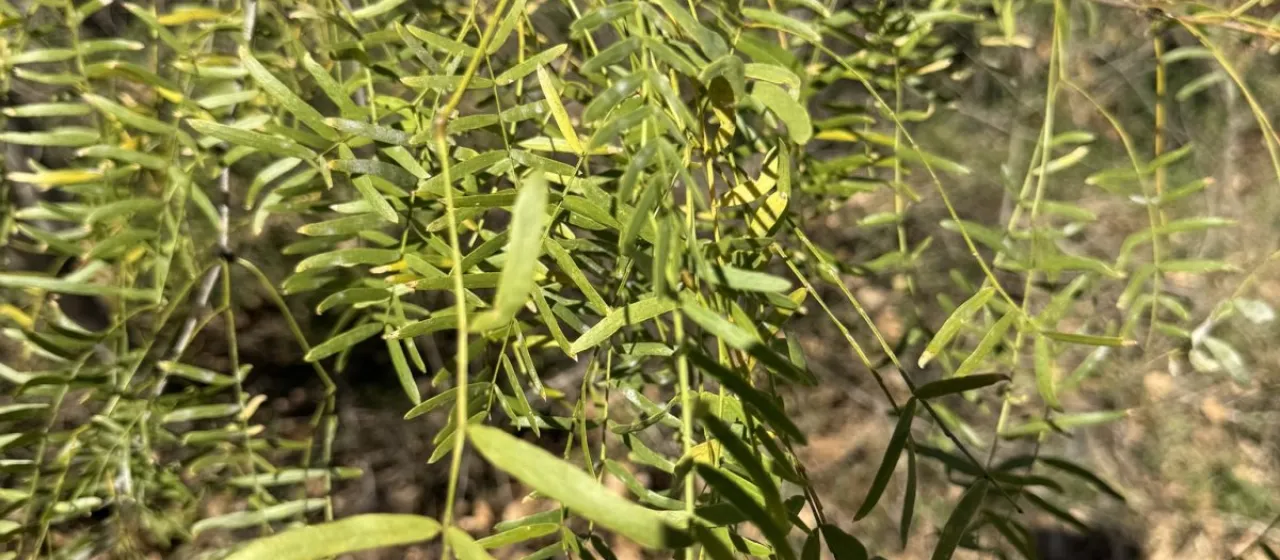
Botanically, Neltuma glandulosa is distinguished by its deep taproot system, which can reach deep groundwater levels. The leaves are bipinnate with characteristic glands, and the tree produces long, nutritious pods. Its growth habit can vary from a multi-stemmed shrub to a medium-sized tree, depending on environmental factors and management practices.
The agrotechnical requirements for this crop are relatively low, making it an excellent candidate for low-input agriculture. It thrives in well-drained soils, including sandy and rocky substrates. While it requires minimal irrigation, establishment during the early growth phase is crucial to ensure the development of the primary root system. It exhibits excellent tolerance to high pH soils and salinity.
The economic utility of the honey mesquite is multifaceted. The pods are a traditional source of high-protein food and animal forage. The wood is highly prized for its durability and unique grain, often used in fine furniture manufacturing. Furthermore, it is a superior melliferous plant, supporting local apiculture industries. Common issues include infestation by bruchid beetles, which target the seeds, necessitating integrated pest management strategies to protect the reproductive yield.