
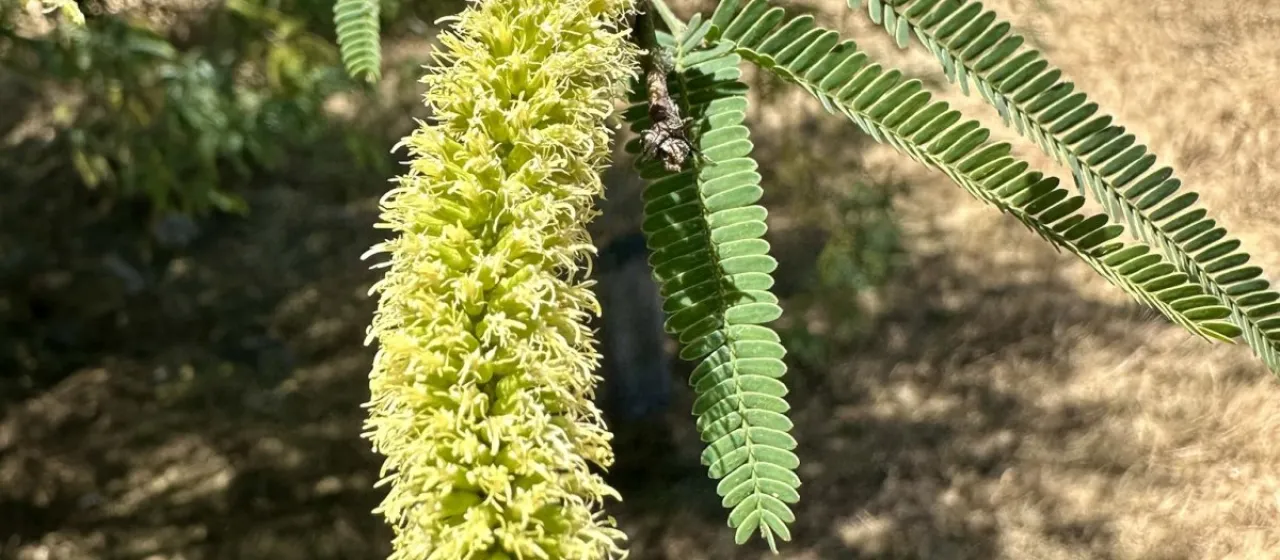
Description
Neltuma laevigata is a woody legume species known for its remarkable resilience and ecological importance in semi-arid environments. Belonging to the Fabaceae family, this species is highly valued in sustainable agriculture for its ability to thrive in challenging soil conditions where water availability is a limiting factor.
Native to the arid and semi-arid regions of Mexico and parts of Central America, this plant is well-adapted to environments with significant seasonal drought. Its distribution has expanded due to its utilitarian value as a multipurpose tree for rural communities and large-scale agroforestry projects.
Botanically, the species is characterized by a deep, expansive root system, small pinnate leaves designed to reduce transpiration, and the production of nitrogen-rich pods. It is capable of atmospheric nitrogen fixation, which contributes significantly to soil fertility improvement in nutrient-poor areas.
The agronomic management of this crop requires minimal intervention. It thrives in well-drained, sandy, or rocky soils and is moderately tolerant to salinity. Planting typically involves seed scarification to ensure uniform germination, followed by initial protection until the root system is established.
The economic applications of the species are diverse:
- Sustainable production of high-protein forage from pods and foliage.
- Production of durable, high-quality wood for construction and biofuel.
- Soil restoration and erosion control in desertified landscapes.
- Significant contribution to honey production due to its nectar-rich flowers.
Common phytosanitary issues include seed-boring beetles that can affect seed viability and storage. Fungal pathogens may occur if the plant is grown in areas with poor drainage or excessive humidity. Regular monitoring of plantation density and soil moisture levels is essential for maintaining plant health and maximizing long-term yields.