
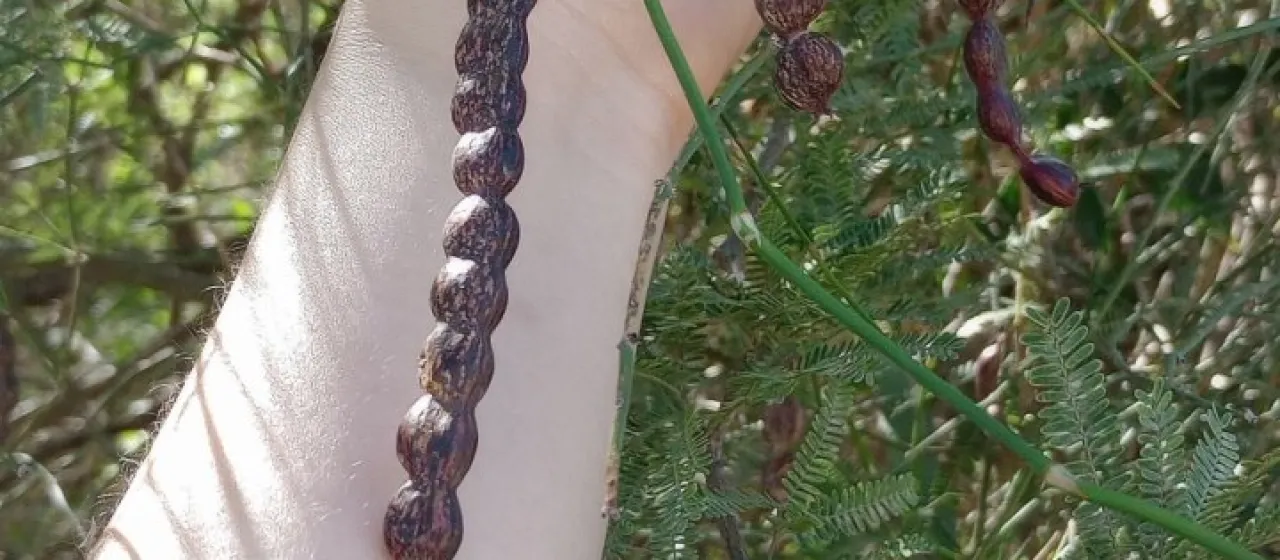
Description
Black Algarrobo (Latin: Neltuma nigra, formerly classified as Prosopis nigra) is a long-lived tree species belonging to the Fabaceae family. In modern agriculture, it is recognized for its exceptional ability to thrive in harsh environments, serving as a pillar for agroforestry systems in semi-arid and arid zones worldwide.
Native to South America, specifically the Gran Chaco region, this tree has adapted to extreme temperature fluctuations and long-term water scarcity. Its presence is vital for the stability of local ecosystems, as it acts as a nitrogen fixer, significantly improving soil quality and fertility through its symbiotic root structures.
Botanically, the tree exhibits a robust architecture with deep taproots and a wide canopy that provides necessary shade in hot climates. The leaves are bipinnate, and the tree produces characteristic pods that are rich in nutrients. These pods are a significant biological adaptation, providing energy reserves that allow the plant to survive and reproduce under stressful conditions.
When considering cultivation, the primary requirement is well-drained soil. While highly drought-tolerant once established, the tree benefits from careful monitoring during the early stages of development. It does not require high levels of chemical fertilizer, as its natural ability to fix nitrogen makes it largely self-sustaining in terms of soil nutrient management.
The agricultural and economic utility of Neltuma nigra is significant:
- High-quality fodder production: The pods and leaves are prized for their nutritive value for livestock.
- Timber industry: The wood is exceptionally hard, durable, and resistant to decay.
- Environmental protection: Used in reforestation to prevent erosion and stabilize sandy soils.
- Apiary support: The flowers provide a consistent source of nectar for local bee populations.
In terms of plant protection, the crop is generally resilient, but managers must watch for seed-boring beetles that can devastate pod yields if left unchecked. Fungal pathogens may occur if the soil is chronically waterlogged, making proper land selection and field drainage the most critical components of the management strategy for this species.