
Description
Neltuma ruizlealii is a perennial woody plant belonging to the Fabaceae family, formerly classified within the Prosopis genus. It is a classic example of xerophytic vegetation, specifically adapted to the harsh conditions of arid and semi-arid regions where conventional crops often fail to thrive due to water scarcity and poor soil quality.
The plant is native to South America, primarily inhabiting the dry landscapes of Argentina. Its range is defined by regions with low annual rainfall and high temperature fluctuations. Beyond its native habitat, it is recognized for its ability to stabilize degraded soils, acting as a critical component in land restoration efforts within desertified zones.
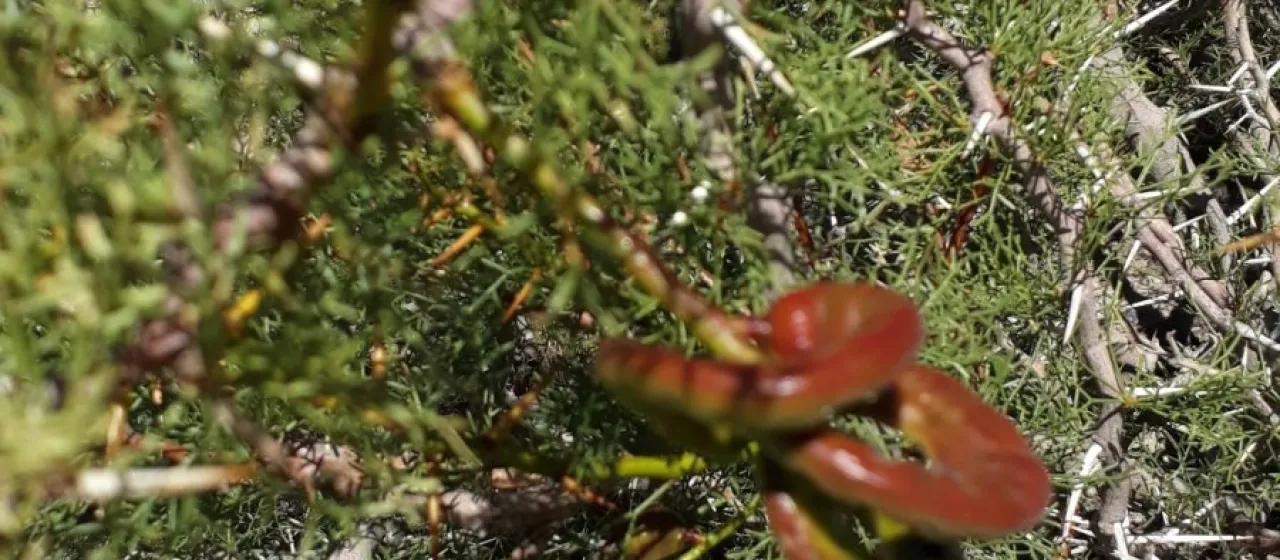
From a botanical perspective, the plant features a deep taproot system designed to access subsurface moisture. Its foliage is adapted to reduce water loss, while the flowers are arranged in spikes, typical of the Mimosoideae subfamily. The fruit consists of pods containing seeds rich in nutrients, which are essential for the survival of the plant in its nutrient-poor environment.
Agricultural requirements focus on well-drained soils, as the species is sensitive to waterlogging. It thrives in various soil types, including saline and rocky substrates, where it demonstrates remarkable resilience. During the initial growth phase, moderate care is required to ensure successful establishment; once mature, the plant becomes highly drought-tolerant and requires minimal intervention.
The main uses of this crop include forage production for livestock and soil erosion control. The pods are harvested or browsed by animals, providing necessary dietary energy in arid seasons. While generally hardy, the plant can be susceptible to specific seed-boring insects and root rot if soil conditions become excessively wet, necessitating careful site selection for planting.