
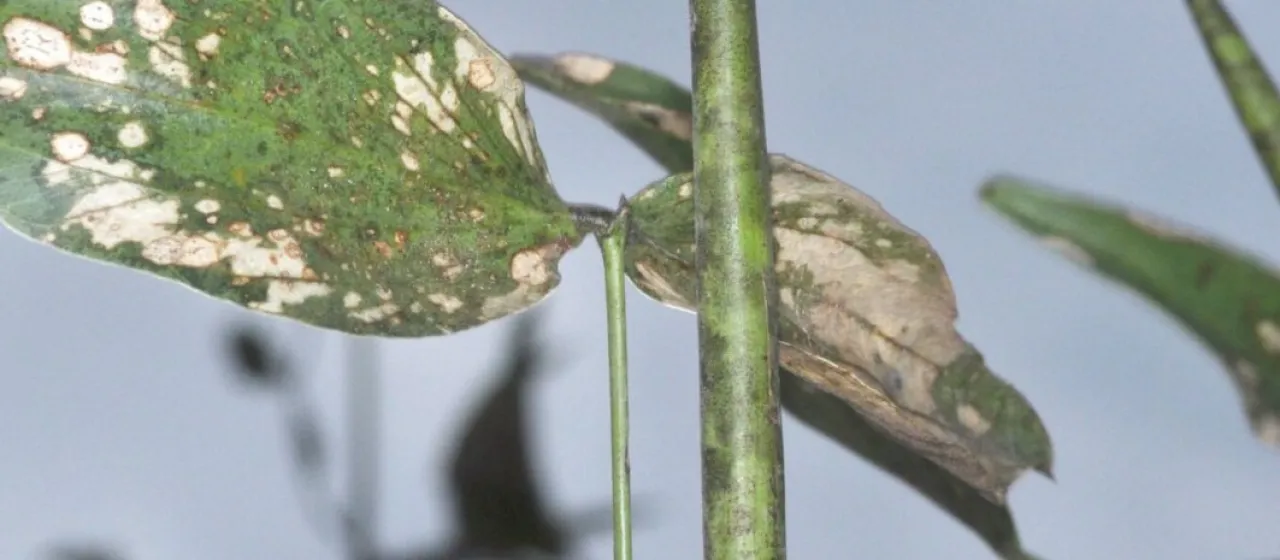
Description
Vinal (Neltuma ruscifolia) is a woody species belonging to the Fabaceae family. Known scientifically for its significant resilience, this plant is native to the South American Chaco region, where it thrives in environments that are typically hostile to most other agricultural crops.
The historical range of this species covers parts of Argentina and neighboring countries. In these arid landscapes, the plant functions as a pioneer species, capable of colonizing degraded lands. Its spread is often monitored, as it can quickly become an invasive plant in abandoned pastures if not properly managed by farmers.
Botanically, Neltuma ruscifolia is characterized by its heavily armed branches with long, sharp spines. These spines serve as an evolutionary defense mechanism against herbivores. The tree’s canopy is adapted to capture maximum light while minimizing water loss through its specialized foliage structure.
Regarding soil and climatic requirements, the species is remarkably drought-tolerant and soil-salinity resistant. It grows well in regions with irregular rainfall patterns. From an agronomic standpoint, the tree benefits from its ability to form symbiotic relationships with root bacteria, effectively improving soil nitrogen levels in harsh environments.
Economically, the wood of this species is highly valued for its extreme density, durability, and resistance to environmental decay, making it ideal for rural infrastructure and furniture. Furthermore, the pods are used as a supplemental food source for cattle, providing a vital source of protein during periods of seasonal scarcity.
- Extreme drought and heat tolerance.
- Nitrogen-fixing capabilities in depleted soils.
- Excellent timber quality for construction.
- Nutrient-rich pods for livestock feed.
- Ability to thrive in alkaline and saline conditions.