
Description
Nonea caspica is an annual herbaceous plant belonging to the Boraginaceae family. This species is native to arid and semi-arid regions, showing remarkable resilience in environments that are typically considered marginal for standard crop production.
The plant originates from the regions surrounding the Caspian Sea, including parts of Central Asia, the Caucasus, and Southeastern Europe. Its natural habitat consists of stony slopes, clay soils, and semi-desert landscapes, which has shaped its physiology to be highly efficient in water uptake and nutrient utilization under heat stress.
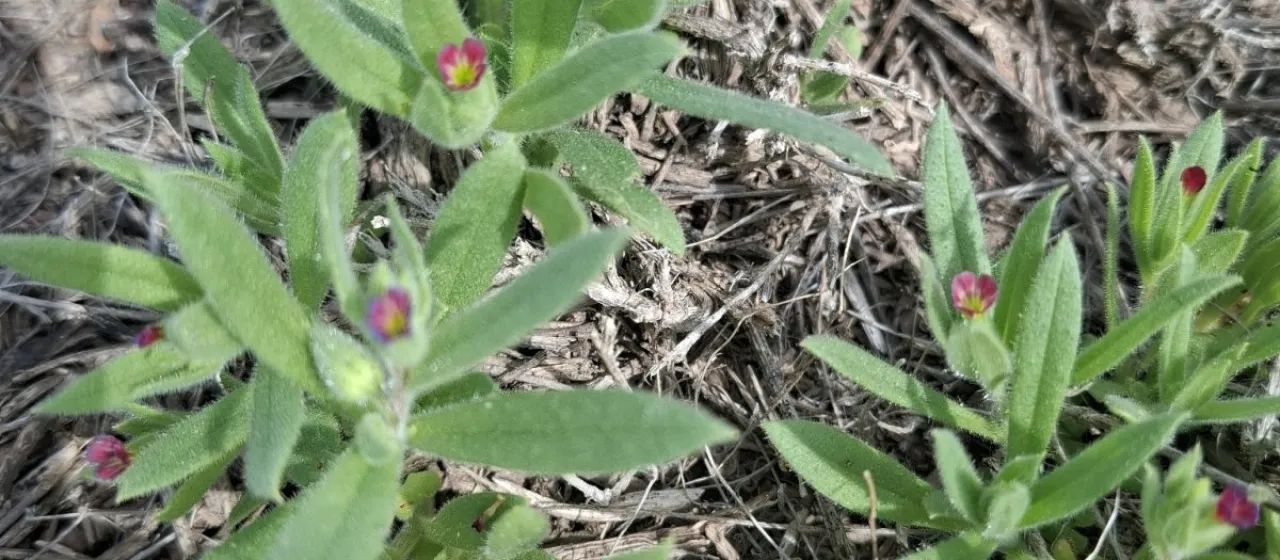
Botanically, Nonea caspica features a branched stem reaching 15–40 cm in height, characterized by coarse, bristly hairs that minimize water loss. The leaves are alternate and lanceolate. The flowers are small, arranged in leafy racemes, and exhibit colors ranging from yellow to reddish-brown, which are significant for attracting local pollinators in sparse vegetation areas.
The cultivation requirements are minimal compared to traditional crops. It thrives in well-drained sandy or loamy soils and exhibits notable tolerance to soil salinity and high temperatures. In terms of agronomy, the main challenge is managing early-stage weed competition, as the plant establishes itself slowly during the initial growth phase. Irrigation is rarely required once the root system is established.
The potential agricultural and economic uses include:
- Application as a honey plant to support beekeeping in arid territories.
- Potential use in phytoremediation projects for restoring degraded and saline soils.
- Research into secondary metabolites for pharmaceutical and industrial purposes.
Typical plant health issues involve infestation by weevils and other foliage-feeding insects, especially during the flowering stage. Fungal pathogens, specifically those causing rusts or root rot, may occur if soil aeration is poor or humidity levels spike unexpectedly. Adopting proper crop rotation and maintaining sufficient plant spacing are essential strategies to maintain plant vigor and prevent the spread of diseases.