Description
Pennsylvania pellitory (lat. Parietaria pensylvanica) is an annual herbaceous plant belonging to the Urticaceae family. While it is not a traditional crop, it is a significant botanical subject in agricultural science, recognized primarily for its role as a weed that colonizes managed lands, gardens, and row crops throughout its native range.
Native to North America, this plant is widespread across various ecological niches. It typically thrives in moist, shaded environments, though it has shown an ability to colonize disturbed soils near human activities. Its distribution is largely facilitated by its efficient seed dispersal mechanisms, which allow it to propagate rapidly in favorable conditions.
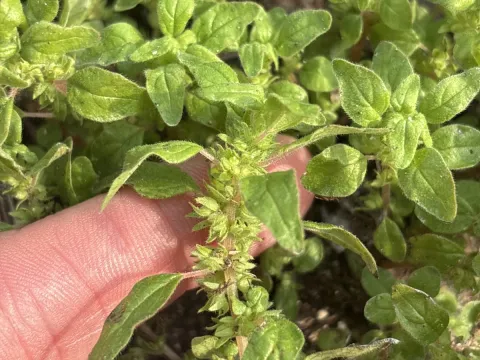
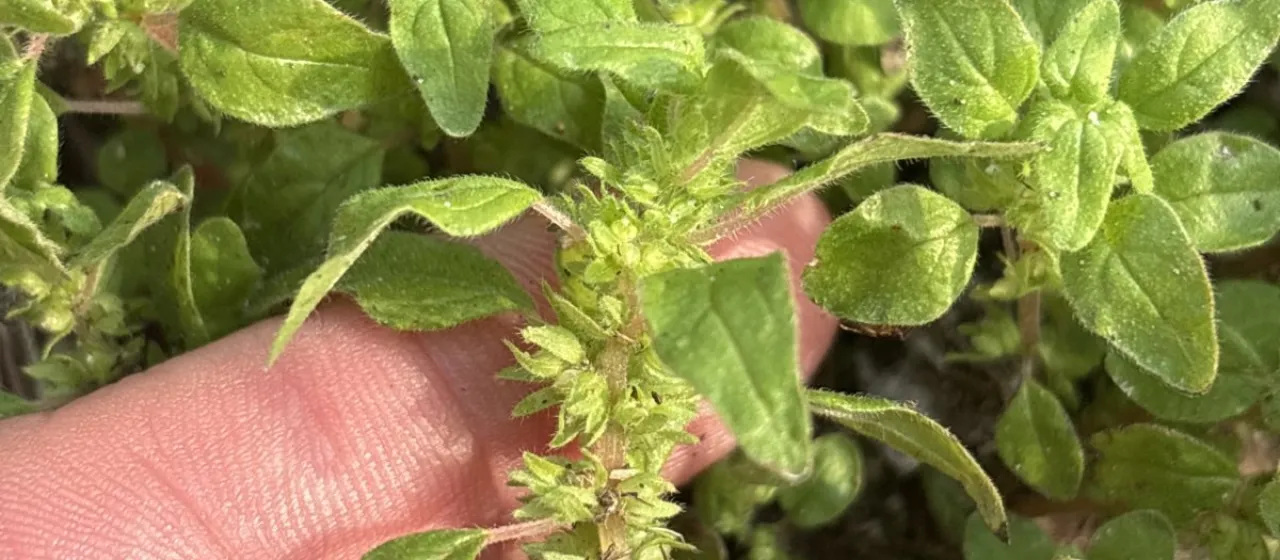
Botanically, Parietaria pensylvanica is defined by its slender, often reddish stems and alternate, entire leaves. It lacks the stinging hairs common in many other Urticaceae species. The flowers are small, greenish, and clustered in the leaf axils, lacking showy petals, which is an adaptation to wind-assisted pollination.
Regarding agricultural management, the plant requires specific environmental conditions to thrive, including moist, nitrogen-rich soil. Farmers and agronomists manage this species through standard cultural practices, such as soil cultivation and crop rotation. In modern agriculture, chemical control is utilized when infestation levels exceed economic thresholds, ensuring crop yields remain protected.
In terms of economic value, there are no widespread programs for the cultivation of Pennsylvania pellitory as a productive crop. Instead, research focuses on understanding its life cycle to minimize its presence in fields. Potential threats include its ability to harbor common pests or serve as a reservoir for certain plant pathogens that can affect neighboring crops.
Photo gallery