
Patience dock
Rumex patientia L.
Description
Patience dock, scientifically classified as Rumex patientia L., is a perennial herbaceous plant belonging to the Polygonaceae family. It is widely recognized in agriculture for its large, nutritious leaves which provide a mild, spinach-like flavor, serving as an excellent vegetable crop during the early spring season.
The plant is native to Southern and Central Europe and parts of Western Asia. Due to its hardiness and ability to thrive in various temperate environments, it has become a staple crop in many gardening systems globally. It is highly valued for its ability to produce significant biomass early in the year when other green vegetables are not yet available.
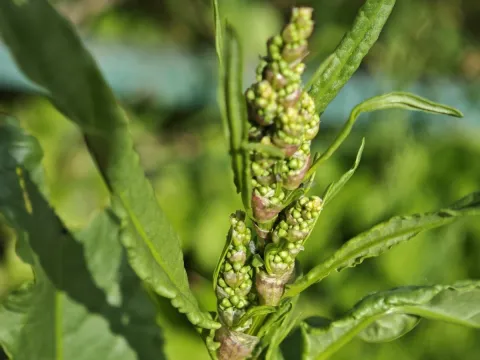
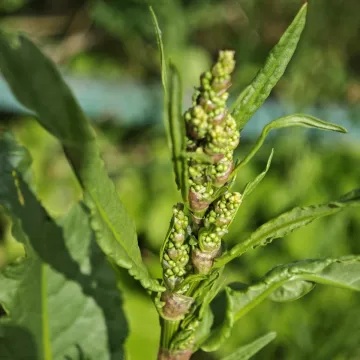
Botanically, it forms a robust rosette of large, lanceolate leaves with a deep root system. The flower stalks can grow quite tall, sometimes exceeding one meter, and produce clusters of small flowers. The plant is characterized by high vigor, allowing it to regenerate rapidly after repeated harvests throughout the growing season.
To achieve high yields, farmers should provide fertile, well-draining soil with a pH ranging from neutral to slightly acidic. The crop requires consistent moisture to ensure tender leaves, although it can tolerate temporary dry spells once established. Maintenance practices include thinning the rows, removing weeds, and applying light organic fertilizer after harvesting to promote sustained growth.
In terms of agricultural use, the crop is utilized both in culinary applications and as a source of greenery in home gardens. Common plant health issues include rust and powdery mildew, alongside occasional infestations by aphids or leaf beetles. Effective management relies on maintaining healthy soil structure and implementing crop rotation strategies to minimize the pressure from pests and diseases.
Photo gallery