Description
Canadian lousewort (Pedicularis canadensis) is a perennial herbaceous plant belonging to the family Orobanchaceae. This species is biologically distinguished by its hemiparasitic nature, meaning it derives partial sustenance from the roots of neighboring plants while still maintaining the ability to perform photosynthesis to produce its own energy.
Native to North America, Canadian lousewort is widely distributed across Canada and the United States. Its natural habitat includes prairies, open woodlands, and moist meadows, where it thrives in competition with various grasses. Its evolutionary success is largely attributed to its specialized root system, which allows it to thrive in nutrient-poor environments by tapping into host plant resources.
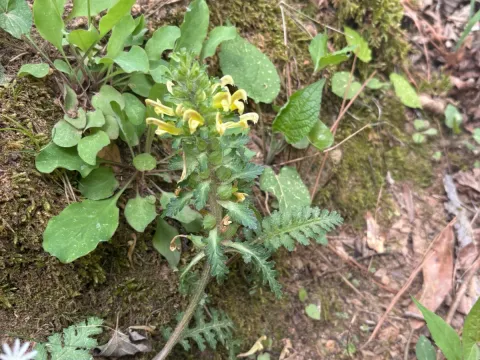
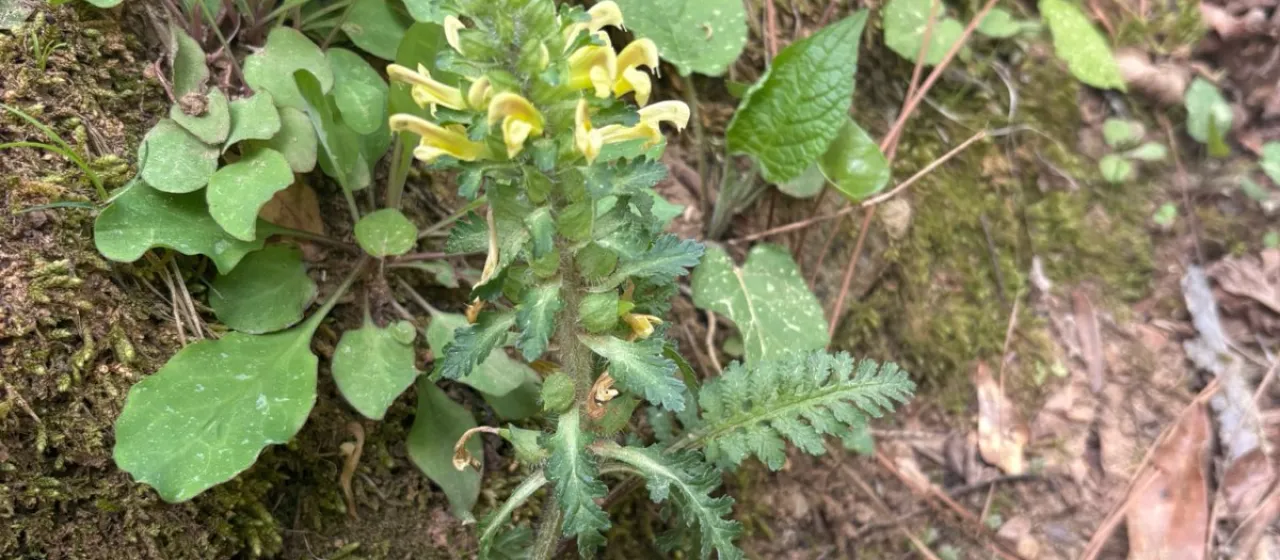
The botanical characteristics of this plant include a compact growth habit, typically reaching 15 to 40 centimeters in height. It features fern-like foliage and terminal racemes of tubular, two-lipped flowers that appear in shades of yellow or deep red. These flowers are specifically structured to be pollinated by bees, which play a crucial role in the reproductive cycle of the plant during the spring season.
From an agronomic perspective, the cultivation of Canadian lousewort requires careful attention to its ecological niche. Successful establishment depends on providing suitable host plants, such as native prairie grasses, alongside fertile, well-draining soil. It prefers consistent moisture but is sensitive to waterlogged conditions, making proper soil management an essential component of its production cycle.
Regarding its use, the plant has a history of traditional medicinal applications, often utilized for its sedative and relaxing properties. Furthermore, in modern agricultural practices, it is valued for its role in meadow restoration projects and habitat conservation efforts, as it contributes significantly to the local pollinator population and helps maintain the balance of native grassland communities.
- Hemiparasitic biological strategy.
- Essential for restoring native plant communities.
- Rich source of specific phytochemical compounds.
- Low susceptibility to standard agricultural pests.
Photo gallery