Description
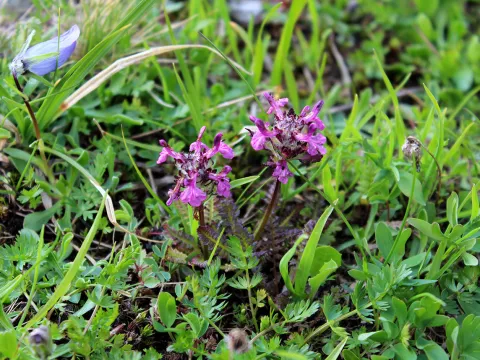
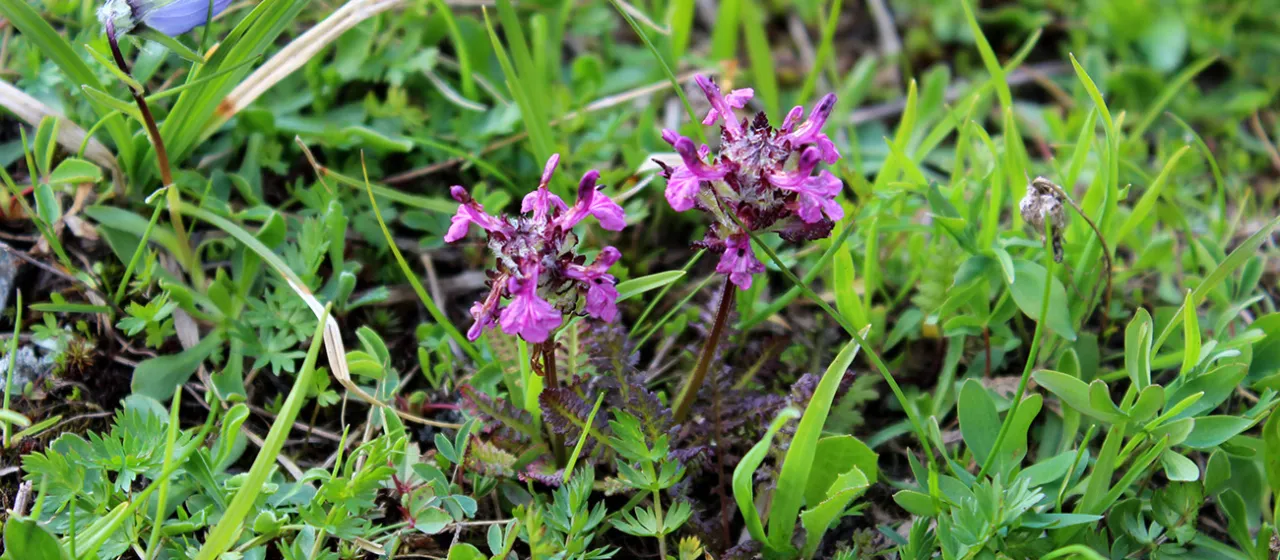
Caucasian lousewort (Latin: Pedicularis caucasica) is a perennial herbaceous plant belonging to the Orobanchaceae family. As a hemiparasitic species, it derives a portion of its water and nutrients from the roots of host plants, which is a defining trait of its ecological niche and overall physiology.
The native range of this plant is concentrated in the mountainous regions of the Caucasus. It thrives in subalpine meadows, rocky slopes, and shaded areas where the microclimate remains cool and relatively humid. Due to its specific biological requirements, it is rarely found in large-scale agriculture, remaining mostly a subject of botanical study and specialized gardening.
Botanically, Pedicularis caucasica is distinguished by its pinnately lobed foliage and complex, bilabiate flowers that often feature yellow or purple hues. The plant relies on haustoria to attach to the roots of other flora. This interaction is critical for the plant's development and nutrient uptake, making it difficult to propagate without the correct host companion.
In terms of cultivation, the plant demands well-drained, nutrient-rich soils that mimic alpine meadow conditions. It is highly sensitive to soil compaction and waterlogging, which can lead to rapid fungal decay. Successful growth requires a stable environment with consistent moisture levels and protection from extreme heat or drought.
The primary use of the plant lies in pharmaceutical research, as various species in the Pedicularis genus are studied for their potential medicinal properties. In a controlled environment, pest management is focused on preventing common garden aphids and root rot pathogens. Farmers and gardeners should treat it as an ornamental or scientific curiosity rather than a standard commercial crop.
Photo gallery