Pedicularis cenisia
Pedicularis cenisia
Description
Pedicularis cenisia is a perennial herbaceous plant belonging to the Orobanchaceae family. Unlike many common agricultural crops, this species is specialized for high-altitude environments and is recognized for its unique evolutionary adaptations that allow it to survive in harsh mountain climates.
The plant originates from the mountainous regions of the Western Alps. Its natural range is restricted to alpine grasslands and rocky outcrops where the growing season is significantly shorter than in lowland areas. Due to its specific habitat requirements, it is rarely cultivated for commercial purposes, remaining primarily a subject of botanical study.
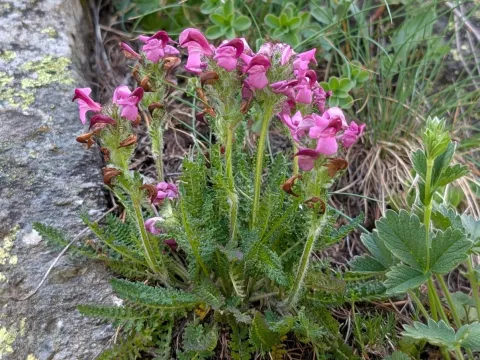
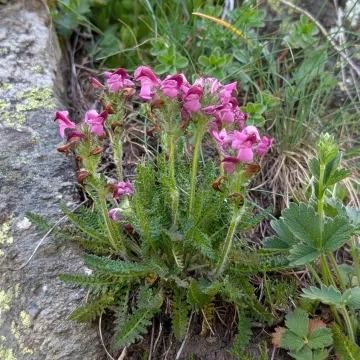
Botanically, Pedicularis cenisia features a low-growing structure, often forming a rosette of leaves near the ground to mitigate damage from high-altitude winds and sub-zero temperatures. Its inflorescences are characterized by complex, tubular flowers, which are highly specialized for pollination by specific mountain insects, particularly bumblebees.
A crucial aspect of its biology is its semi-parasitic nature. The root system develops haustoria, which penetrate the roots of nearby host plants to extract water and mineral nutrients. This makes Pedicularis cenisia notoriously difficult to cultivate in isolation, as it requires a balanced ecosystem of host species to thrive and complete its life cycle.
Regarding health and pests, the plant is relatively resilient within its natural niche. However, in managed environments, it can be susceptible to fungal diseases such as root rot if soil drainage is inadequate. Currently, the primary focus regarding this species is its conservation and the protection of its fragile high-altitude habitats from ecological degradation.
Photo gallery