Description
Leafy lousewort (Pedicularis foliosa) is a perennial herbaceous plant belonging to the Orobanchaceae family. It is distinct for its semi-parasitic lifestyle, meaning that while it performs photosynthesis, it also relies on root connections (haustoria) with host plants to obtain essential nutrients, water, and minerals. This unique biology dictates its specific requirements for cultivation and ecosystem placement.
The native distribution of Pedicularis foliosa is centered in the European mountainous regions, particularly in the Alps and the Pyrenees. It thrives in subalpine meadow habitats and forest margins where the environment provides enough host species to sustain its development. The plant is adapted to cool, moist conditions and is rarely found in lowland agricultural settings due to these ecological limitations.
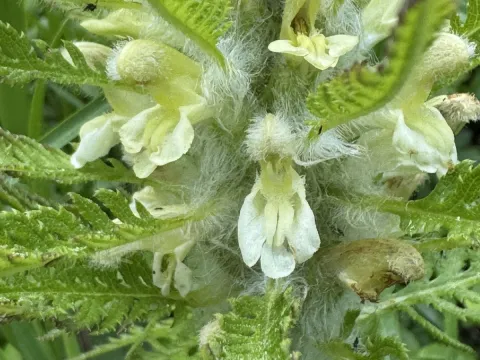
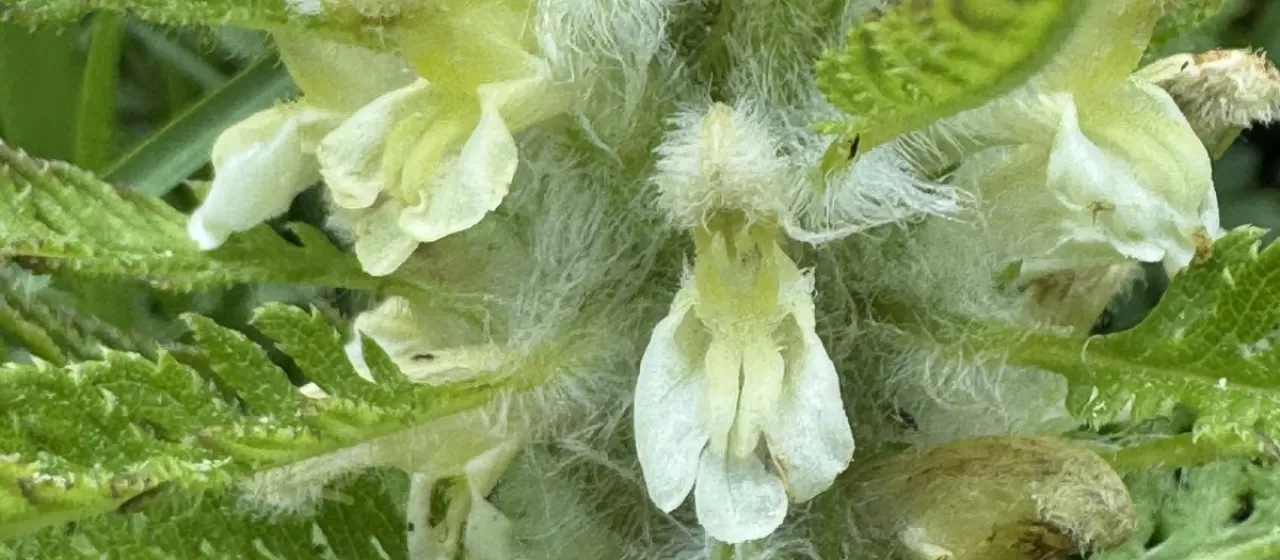
Botanically, the plant is characterized by its leafy stem, which gives it a dense appearance, and a raceme inflorescence packed with yellowish flowers. These structures are evolutionarily optimized for pollination by specific alpine insects. The plant produces numerous small seeds that require stratification or specific environmental triggers to germinate effectively in the following growing season.
Agronomically, growing leafy lousewort is challenging because it cannot be treated as a typical self-sufficient crop. Successful cultivation requires the presence of compatible host plants within the substrate. Soil management should focus on maintaining a structure that allows for good aeration and moderate moisture levels. Over-fertilization should be avoided, as it can disrupt the plant's natural parasitic relationship with its host.
Regarding health and protection, Pedicularis foliosa is susceptible to various fungal pathogens when cultivated in poorly ventilated environments. Aphids are the most common insect pests, which target the nutrient-rich sap of the stems. Management involves integrated pest control strategies that prioritize physical removal and the maintenance of a natural balance within the cultivated habitat to support the health of both the host and the parasite.
- Family: Orobanchaceae
- Habit: Semi-parasitic perennial
- Growth environment: Alpine and subalpine meadows
- Key requirement: Presence of a host plant
Photo gallery