Description
Elephant's head (Pedicularis groenlandica) is a fascinating perennial herb belonging to the Orobanchaceae family. It is biologically classified as a hemiparasite, meaning it produces its own energy through photosynthesis but relies on the root systems of host plants to extract water and essential minerals to thrive in its natural environment.
The native range of this species extends across Western North America, predominantly in mountainous regions, wet meadows, and subalpine marshes. It thrives in cool, boggy climates, which define its ecological suitability and limit its cultivation to specific zones that mimic its native high-latitude or high-altitude habitats.
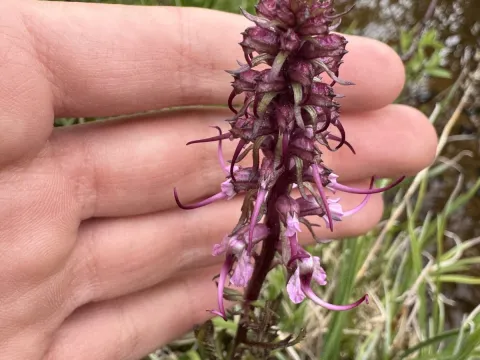
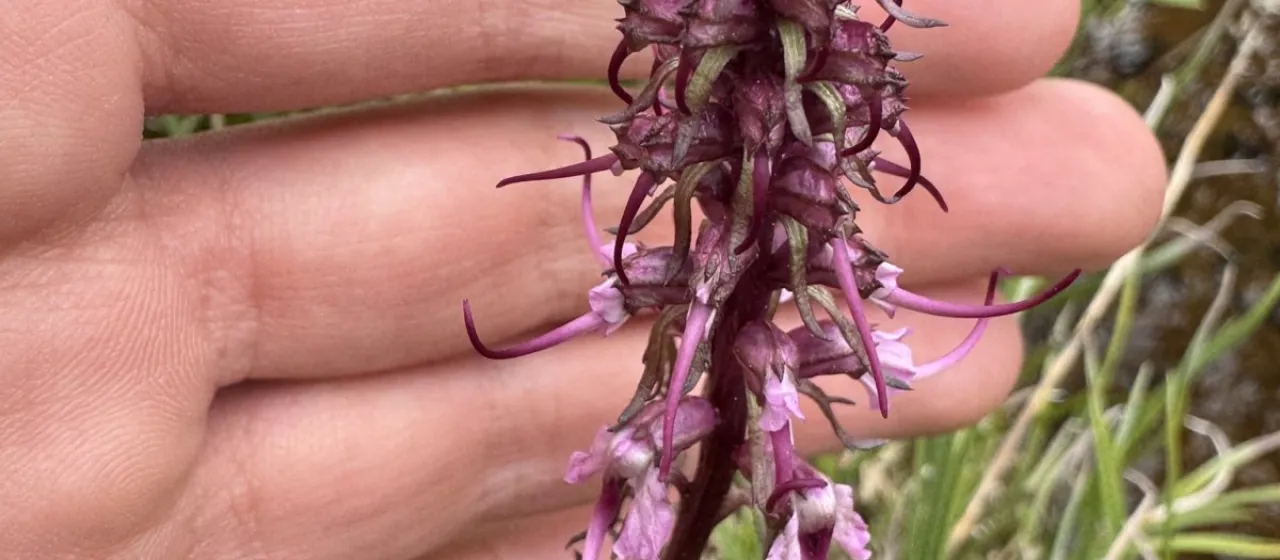
Botanically, the plant is famous for its striking inflorescences, which bear a remarkable resemblance to the heads of elephants with long, upturned trunks. These unique flowers bloom on a sturdy, erect stem that can grow up to 60 centimeters tall, surrounded by fern-like, deeply divided basal leaves that remain close to the ground.
Cultivation of Pedicularis groenlandica requires specialized agro-techniques. Success in a domestic setting is rarely achieved without accounting for its parasitic nature; gardeners must provide suitable host plants nearby. Key environmental factors include
- constantly moist, acidic soil;
- cool temperatures during the growth cycle;
- well-aerated, bog-like substrate;
- minimal competition from larger, aggressive plants.
While not a commercial food crop, it holds value in ecological restoration projects and specialized perennial gardens focused on native biodiversity. The plant is generally resilient but can be prone to fungal infections if stagnant water leads to root rot. Pests like aphids are occasional visitors, though the plant's chemical defenses often mitigate major infestations.
Photo gallery