Description
Pedicularis gyroflexa is a perennial herbaceous plant belonging to the Orobanchaceae family. Within the context of agricultural science and botany, this species is recognized as a specialized alpine plant. It is primarily known for its hemiparasitic nature, where the plant relies on host roots to supplement its nutrient uptake.
The plant originates from the high-altitude regions of the Alps. Its natural range is restricted to subalpine and alpine meadows, environments defined by short growing seasons and cold temperatures. These climatic conditions necessitate a high degree of adaptation, which makes the plant challenging to cultivate outside of its native ecological niche.
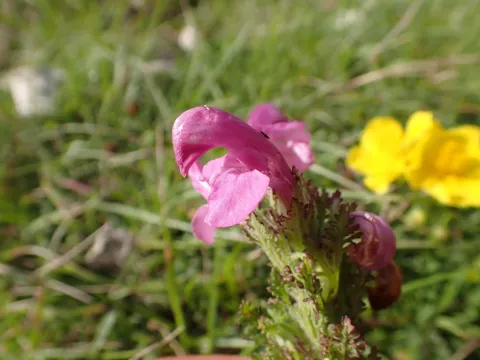
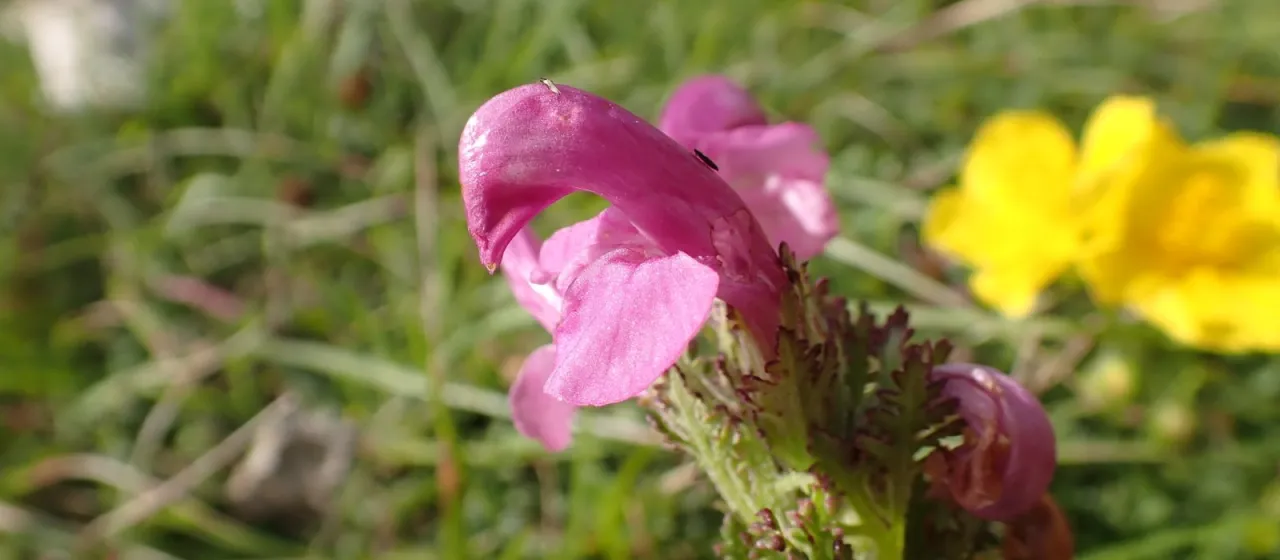
Botanically, Pedicularis gyroflexa is characterized by its distinct, spirally twisted flowers, which give the plant its scientific name. It possesses a well-developed root system capable of forming haustoria, which penetrate the roots of surrounding vegetation. The leaves are typically pinnatifid, arranged in a basal rosette, with a central flowering stalk that grows from 10 to 25 cm in height.
Agronomic requirements are stringent due to the plant's parasitic dependency. Cultivation necessitates a substrate that mimics high-mountain soils—well-drained, rocky, and low in nutrients. Essential aspects of care include:
- Proper soil drainage to prevent root rot.
- Ensuring the presence of suitable host plants in the rhizosphere.
- Minimizing chemical fertilizer inputs to protect the sensitive root-host interaction.
From a usage perspective, Pedicularis gyroflexa has limited commercial application. It is occasionally found in botanical gardens for scientific study. The species is susceptible to various soil-borne pathogens and fungal infections during periods of excessive moisture. Its biochemical profile, which includes iridoid glycosides, requires careful handling, as these compounds can be toxic to livestock and humans.
Photo gallery