Description
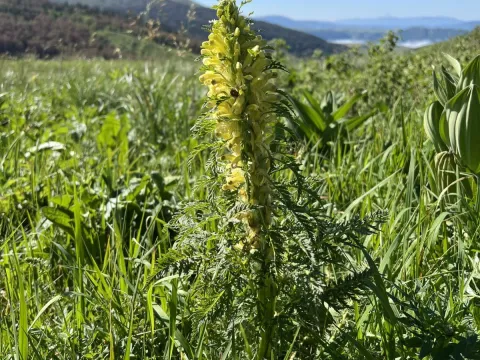
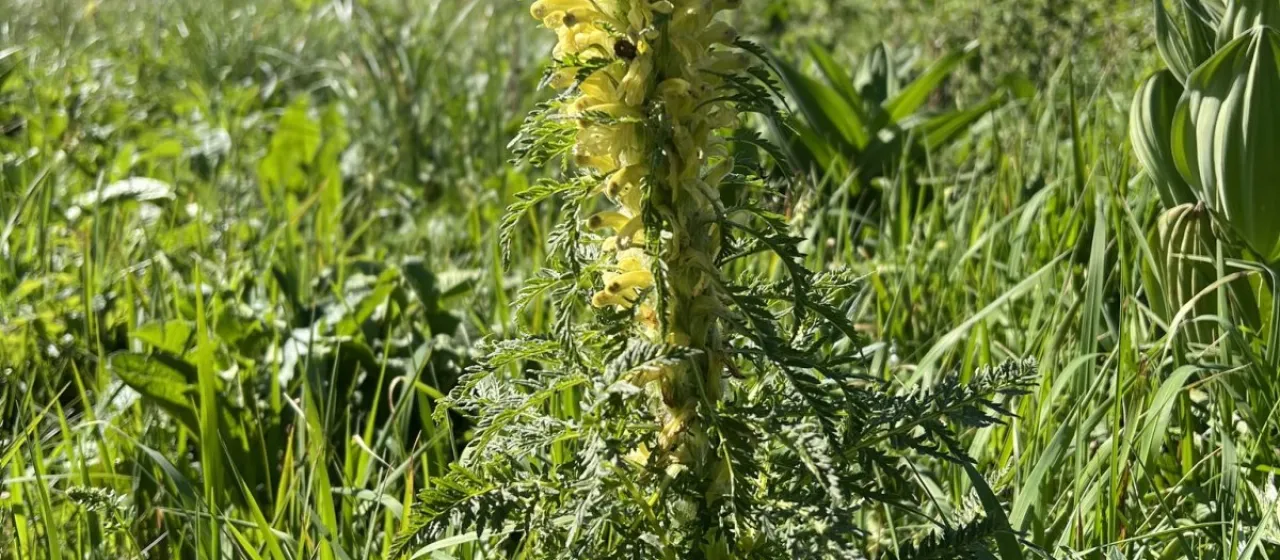
Hoermann's Lousewort (Pedicularis hoermanniana) is a perennial herbaceous plant belonging to the Orobanchaceae family. It is a highly specialized species, primarily known for its hemiparasitic lifestyle, where it supplements its own photosynthesis by drawing nutrients from the root systems of neighboring host plants.
The native range of this species is confined to the mountainous regions of the Balkans. It primarily thrives in alpine and subalpine meadows, where it occupies specific ecological niches. Due to its complex biological requirements and parasitic nature, it is not cultivated as a conventional agricultural crop, but it remains a significant subject for botanical research and conservation efforts.
Botanically, the plant is characterized by its distinct, often complex flower structure typical of the Pedicularis genus, which is adapted for pollination by specific insects. Its stems are upright, and its foliage is deeply divided. The root system is the most critical feature, equipped with haustoria that facilitate the necessary physiological connection with host species for water and mineral uptake.
Regarding growing conditions, the plant requires high-altitude climate conditions with significant temperature fluctuations and intense UV exposure. Soil requirements involve well-drained, porous, and mineral-rich substrates. Attempting to grow this species outside its natural environment is extremely challenging due to the necessity of a compatible host plant and precise microclimatic conditions.
The economic and research utility of Hoermann's Lousewort includes:
- Phytochemical analysis of its secondary metabolites for potential pharmaceutical applications.
- Botanical conservation of rare alpine biodiversity.
- Use as an indicator species for monitoring the health of high-mountain grasslands.
The main pests and diseases affecting this species are largely related to root-zone pathogens that occur when soil moisture remains too high for extended periods. As a hemiparasite, its health is directly linked to the vitality of its host plants. Consequently, management strategies focus on habitat preservation rather than active cultivation, protecting the ecosystem from soil erosion and excessive grazing.
Photo gallery