Description
Kaufmann's Lousewort (Pedicularis kaufmannii) is a perennial herbaceous plant belonging to the Orobanchaceae family. Unlike many common meadow plants, it is a hemiparasite, meaning it carries out photosynthesis but relies on the root systems of neighboring plants to acquire supplemental water and nutrients. This specialized ecological niche defines its growth patterns and distribution.
The species is primarily native to the steppe and forest-steppe zones of Eastern Europe. It thrives in open, sunny habitats such as meadows, forest glades, and calcareous slopes. Due to its specific life cycle, it is rarely found in highly disturbed or cultivated agricultural lands, preferring the stable environment of native grasslands.
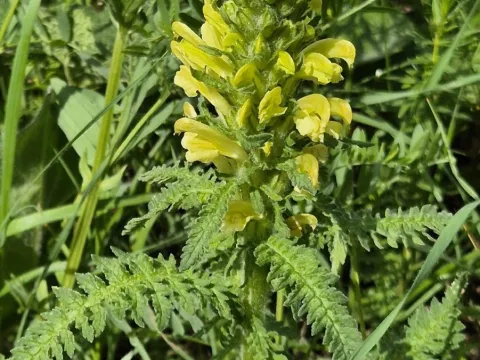
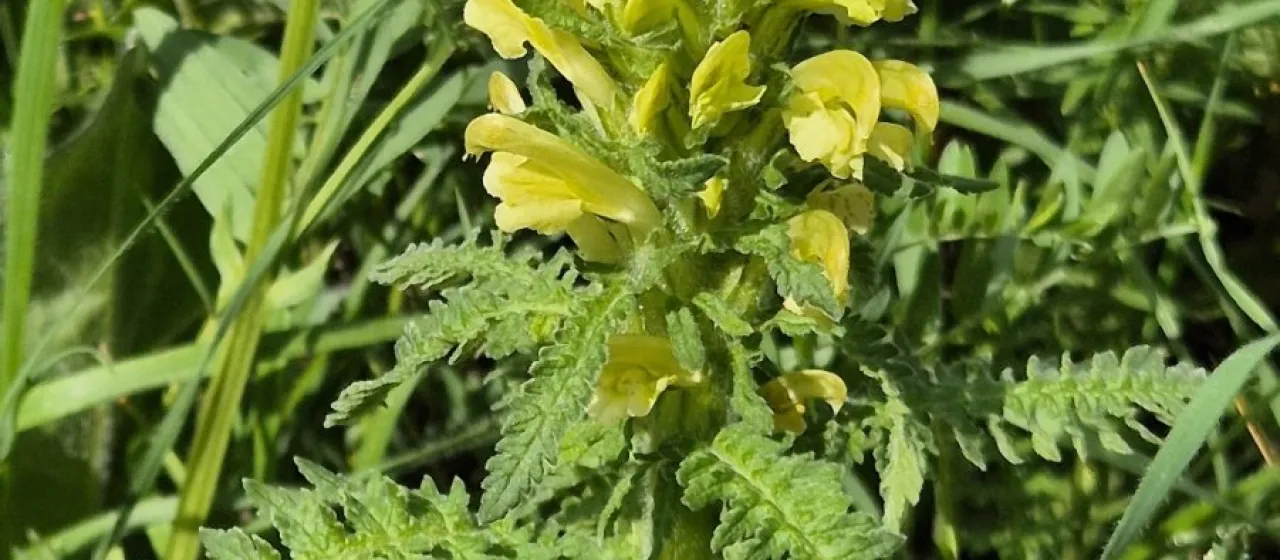
Botanically, it is characterized by an erect stem covered with fine hairs and pinnately dissected leaves. The flowers are arranged in a dense terminal spike, featuring a distinctive two-lipped corolla with a complex shape adapted for pollination by specific hymenopteran insects. The flowering period typically occurs in late spring, creating a vibrant visual display in its natural habitat.
Agronomic management is not standard for this species as it is not a cultivated crop. For conservation or specialized research purposes, it requires the presence of compatible host plants to survive. The soil should be well-drained and maintained at a consistent moisture level. Cultivation attempts must prioritize mimicking natural meadow conditions rather than intensive farming techniques.
Regarding its хозяйственне significance, the plant is primarily valued for its contribution to biodiversity within native ecosystems. It is not considered an agricultural crop and, like other members of the genus, may contain compounds that deter herbivores. Common challenges include the loss of habitat due to land conversion and the sensitivity of the species to changes in local floral composition.
Photo gallery